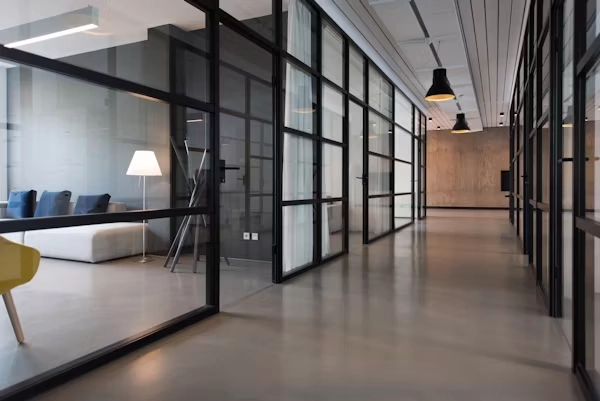
The cost of custom aluminum doors depends on more than size alone. In building projects the final price often comes from several key elements. These include the door type, aluminum profile, glass, hardware, surface finish, thermal performance, drawings, packaging, and shipping method. A basic aluminum door built for a small side entrance and a wide sliding glass door designed for a villa patio may fall under the same product category. Their production steps and material requirements still differ in important ways.
Our products appear regularly in villas, apartments, hotels, and modern building spaces. In these locations, appearance, strength, sealing performance, and everyday operation must all receive equal attention.
Door Type and Opening Method
Before requesting a quotation, buyers need to define the exact location where the door will serve. A balcony, patio, villa entrance, hotel room, commercial storefront, or garden opening each presents unique demands. Greater clarity about the intended use makes it simpler to select suitable aluminum doors and manage the project budget effectively.
Aluminum Sliding Doors
Aluminum sliding doors appear often in balconies, patios, living rooms, and wide glass openings. They save floor space because the panels slide sideways instead of swinging inward or outward. This feature makes them a popular choice for modern homes, apartments, and light commercial buildings.
The cost of aluminum sliding doors depends on the track system, roller quality, panel dimensions, and glass weight. Larger panels need stronger rollers and reinforced tracks. When a project requires slim frames, better sealing, or larger glass surfaces, the price rises. The system then needs higher precision during production and stronger supporting components.
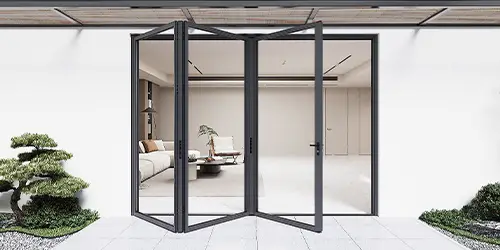
Aluminum Folding Doors
Compared with basic sliding systems, aluminum folding doors generally carry a higher cost. They incorporate multiple panels along with hinges, guides, rollers, tracks, and seals. As the total number of panels increases, the amount of required hardware and assembly labor also rises. In wide openings, dependable hardware becomes particularly important. Any weakness can affect daily operation after installation.
Entry and Pivot Doors
Entry doors and pivot doors tend to command higher costs. They deliver both aesthetic appeal and structural importance. A front entry door shapes the initial impression of any building. A pivot door is often taller, wider, and heavier than a conventional hinged door. It therefore needs specialized pivot hardware and precise installation.
For luxury houses and villa projects this added expense can prove worthwhile. The door functions not merely as an entrance but also as a visible element of the building façade. Buyers should evaluate frame strength, lock quality, panel weight, finish, and installation requirements before finalizing the specification.
Aluminum Profile and Frame System
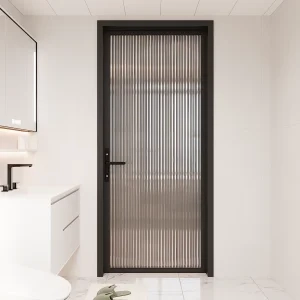
The aluminum profile forms the primary structure of the door. It determines strength, stability, sealing capability, glass support, and long-term durability. A thinner profile may lower the initial price. However, it may prove inadequate for large panels, heavy glass, or exterior exposure in demanding weather conditions.
Contemporary projects frequently favor slim frames paired with expansive glass areas. Slim profiles create a clean look and admit more natural daylight. Even so, these frames must safely support the glass. Achieving this balance often calls for enhanced profile engineering and tighter manufacturing tolerances. Such refinements can increase the overall price.
Thermal Break Doors and Energy Performance
Energy performance now plays a larger role in modern building projects. Doors serve beyond decoration. They directly influence indoor comfort, cooling loads, heating consumption, and condensation management. For this reason, thermal break doors are commonly chosen for premium homes, hotels, and apartment buildings.
Thermal break doors incorporate a non-metal barrier within the aluminum frame to limit heat transfer. This construction raises the cost above that of a standard aluminum frame. It requires additional materials, a more intricate profile design, and meticulous assembly. When combined with insulated glass and effective sealing, the system promotes improved comfort in hot, cold, or variable climates.
Glass Type and Panel Size
Glass often makes up a large part of the total cost in custom aluminum doors. This is especially true for sliding doors, folding doors, and large entry systems. The glass specification needs careful attention instead of only a quick look. Its thickness, safety rating, insulation value, sound reduction, and solar control properties all affect the final price. Low-E glass helps control heat gain and solar transmission. Laminated glass improves safety and can reduce noise levels. Tempered glass remains widely used because it breaks into safer fragments than ordinary glass. A hotel on a busy street may need acoustic glass.
A sunny villa may gain from better solar control. The right choice depends on the project conditions and not only on price. Large glass panels also affect frame and hardware costs. Greater weight requires stronger profiles, upgraded rollers, and more careful packaging. As a result, two doors of the same width can still have different prices when their glass specifications differ.
Hardware, Locks, and Daily Use
Hardware components might look small in size. Yet they play a vital role in daily operations. Rollers, hinges, handles, locks, tracks, and pivot mechanisms decide if aluminum doors work smoothly. They also help doors stay stable and deliver dependable security. Poor quality hardware can change a good-looking door into one that performs badly after some time.
Locks and handles further affect cost. A basic lock may suffice for an interior partition. Exterior aluminum doors typically need multiple secure locking points. Entry doors, villa doors, and commercial doors may call for advanced cylinders, multi-point locks, or bespoke handles. These features raise cost while they also strengthen security and improve user satisfaction.
At OUNA products, our door and window systems can be developed as coordinated packages. This approach keeps frame color, glass selection, hardware, and overall style uniform throughout the project.
Drawings, Custom Design, and Project Review
Custom aluminum doors require precise drawings before production begins. This stage is often underestimated. Nevertheless, it helps avoid later expense. Incorrect dimensions, ambiguous opening directions, unsuitable glass choices, or omitted hardware details can lead to delays and costly revisions.
At OUNA aluminum doors, we offer project-based customization that matches various door types and building requirements. Planning doors and windows together allows buyers to minimize color variations, frame mismatches, and duplicated procurement efforts.
Packaging, Shipping, and Order Quantity
Packaging and shipping also contribute to the final cost of aluminum doors. Custom aluminum doors commonly contain glass, assembled frames, tracks, and hardware kits. Inadequate packing increases the risk of scratches, broken glass, bent tracks, or damaged corners during transit. Such risks become especially significant for export shipments.
Order volume also matters greatly. One custom door often shows a higher unit cost. This happens because design verification, material sourcing, and production scheduling still require attention. Larger orders help spread certain fixed costs across more units. Yet they call for tighter coordination.
Diverse sizes, colors, and door types can still increase complexity during manufacturing. When these factors vary, direct comparison of quotations becomes difficult. It often includes stronger materials, clearer documentation, safer packaging, and more complete project support.
Conclusion
The cost of custom aluminum doors for building projects arises from many interrelated factors. Door type, aluminum profile, thermal break design, glass, hardware, finish, drawings, packaging, shipping, and order quantity together determine the final quotation. Buyers benefit from evaluating aluminum doors as integrated systems instead of isolated items. Precise specifications support better cost control, fewer errors, and smoother project execution. At OUNA, we supply custom aluminum doors, aluminum sliding doors, aluminum folding doors, and associated door and window systems tailored to varied project demands.
FAQs
Q: What mainly affects custom aluminum doors cost?
A: Size, glass, frame system, hardware, finish, and shipping affect the cost most.
Q: Are thermal break doors more expensive?
A: Yes. Thermal break doors cost more because they use added insulation materials and structure.
Q: Do aluminum folding doors cost more than sliding doors?
A: Usually yes. They need more panels, hinges, rollers, tracks, and sealing parts.