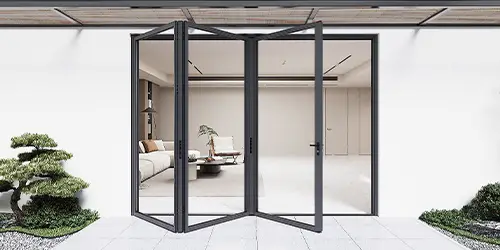
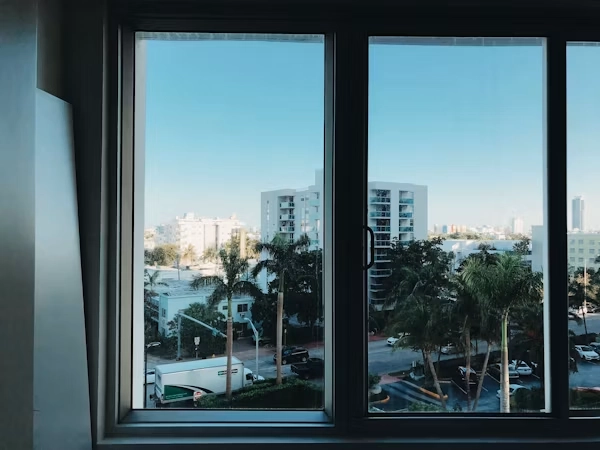
Aluminum windows can be energy efficient enough for modern homes in 2026. Yet the final answer depends on the complete window system. A simple aluminum frame paired with standard glass often fails to satisfy current comfort standards and energy demands. In contrast a carefully engineered system that includes thermal break windows along with insulated glass low-e glass effective sealing and correct installation delivers clearly superior results.
Homeowners architects builders and project buyers now treat energy performance as a central consideration rather than a minor point. Modern homes frequently incorporate bigger glass surfaces broader openings and smoother architectural profiles. Such elements deliver increased natural daylight together with improved outdoor views.
Are Aluminum Frames Naturally Energy Efficient?
Aluminum offers notable strength stability slim profiles and lasting durability. These qualities explain why aluminum windows remain popular within contemporary architectural designs. The material readily supports expansive glass panels and maintains narrow sightlines without adding visual bulk to the frame. For high-end homes this represents a significant design benefit.
The main drawback stems from aluminum’s high thermal conductivity compared with certain alternative frame materials. Without proper engineering heat travels through the frame at a rapid rate. This transfer can produce noticeable indoor heat loss during winter months. It may also generate unwanted heat gain throughout summer periods. Furthermore it often contributes to condensation problems in humid conditions.
Why Thermal Break Windows Matter
Thermal break windows incorporate a non-metal barrier placed inside the aluminum frame. This barrier effectively isolates the outer aluminum section from the inner aluminum section. Consequently heat finds it far more difficult to travel along a single uninterrupted metal path.
Within modern homes thermal break windows deliver several clear improvements. They raise overall indoor comfort levels. They strengthen frame insulation properties. They provide reliable condensation control. They boost summer cooling efficiency and support better winter heat retention. Over extended periods they promote sustained long-term energy efficiency.
This feature marks one of the primary distinctions separating basic aluminum windows from truly energy efficient aluminum window systems. Two units may appear nearly identical when viewed externally. Their internal construction however produces markedly different performance outcomes.
At OUNA we concentrate on high-end aluminum doors and windows intended for both residential and commercial projects. Our aluminum windows can be configured with various glass selections opening types and specific project needs.
Key Ratings Buyers Should Check Before Ordering
Energy performance evaluations should never rest solely on supplier claims. Buyers benefit from understanding fundamental rating terms that allow clearer product comparisons. Among the most practical terms are u-factor shgc and air leakage.
Although these expressions appear technical they address straightforward concerns. Does the window limit heat transfer effectively? Does it restrict excessive solar heat entry? Does it prevent unwanted drafts? Clear answers to such questions prove essential for every modern home project.
U-Factor
U-factor indicates the amount of non-solar heat that moves through a window assembly. Lower u-factor values correspond to stronger insulation capability. This measurement holds particular importance in cold climates. It remains relevant for air-conditioned buildings and regions with mixed seasonal conditions.
Several elements help achieve a lower u-factor. Thermal break windows form the foundation. Double or triple insulated glass contributes substantially. Low-e glass adds further benefit. Superior spacers tight frame construction and meticulous installation each play supporting roles.
When buyers evaluate aluminum windows u-factor supplies a more reliable guide to insulation quality than glass thickness alone.
SHGC
SHGC stands for solar heat gain coefficient. It quantifies the portion of solar heat that passes through the window into interior spaces. No universal SHGC value suits every dwelling. Hot climates generally benefit from lower SHGC glass since it eases cooling loads. Colder regions may welcome moderate solar gain during winter months. Orientation remains a critical factor. West-facing glass in particular requires stronger solar control because afternoon sunlight tends to be intense.
Air Leakage
Air leakage measures the volume of air that passes through the window under differential pressure. Even when glass and frame offer solid insulation poor sealing can still create noticeable discomfort.
Drafts make rooms feel colder than expected in winter and less stable in summer. They also raise interior noise levels. Moreover they permit dust and moisture infiltration. In windy zones coastal properties villas and tall apartment buildings careful verification of airtight performance becomes especially important.
Multiple factors influence air leakage rates. These include gasket quality number of locking points sash pressure frame precision hardware selection and installation quality. Casement windows typically achieve strong results because the sash compresses firmly against the frame upon locking. Sliding windows demand robust track engineering and refined sealing techniques.
Glass Choices That Improve Aluminum Window Performance
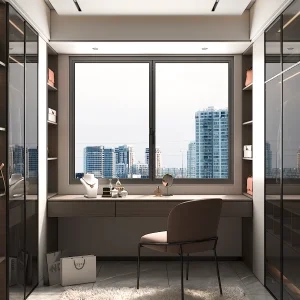
Glass selection exerts considerable influence on the energy efficiency of aluminum windows. Modern homes must balance daylight admission attractive views and consistent comfort. For this reason insulated glass and low-e glass have become standard selections for aluminum windows in 2026.
Single glass still appears in basic applications. Nevertheless it rarely meets the requirements of higher-performance residences. Double insulated glass suits the majority of contemporary residential projects. Triple glass sees use in demanding climates or luxury developments although it increases both weight and expense.
Insulated Glass
Insulated glass consists of two or more panes separated by a sealed cavity. The enclosed space slows conductive heat transfer. When compared with single glass insulated glass noticeably improves indoor comfort. It also minimizes abrupt temperature fluctuations adjacent to the window.
Its benefits include reduced winter heat loss. It restricts summer heat gain. It attenuates outdoor noise transmission. It lowers the likelihood of condensation and moderates indoor temperature variation.
Final performance however depends on far more than pane thickness. Spacer material quality cavity dimensions seal integrity and surface coatings each affect the ultimate outcome.
Low-E Glass
Low-e glass features an invisible metallic coating that regulates radiant heat flow. It restricts heat transfer yet continues to transmit ample natural daylight. In warm climates low-e glass combined with appropriate shgc values effectively limits solar heat entry. In cooler climates the coating specification can be adjusted to optimize heat retention without sacrificing light admission.
Low-e glass proves particularly valuable for large fixed windows sliding doors floor-to-ceiling glazing and any sun-facing rooms. When the correct glass specification is omitted these attractive openings can easily produce overheating or inconsistent comfort levels.
Choosing Aluminum Windows by Room and Function
Different rooms require different window solutions. Living rooms kitchens bedrooms bathrooms and stairwells each present distinct functional demands. Daily usage patterns also shape the appropriate level of energy efficiency.
Fixed windows deliver excellent airtightness since they contain no operable sash. Casement windows combine effective ventilation with tight perimeter sealing. Sliding windows conserve interior space yet require precise track and seal engineering. Awning windows permit airflow while helping exclude rainfall.
Casement Windows
A casement window pivots on hinges and compresses firmly against the frame when closed and locked. This mechanism makes casement windows an excellent selection for spaces that demand superior airtightness and wind resistance.
Designers commonly specify casement windows for bedrooms living rooms villas and developments where sealing performance receives priority. When combined with thermal break windows insulated glass and low-e glass these units readily support high energy efficiency standards.
Sliding Windows
A sliding window offers a practical solution where swinging sash operation would interfere with room layout. Such windows perform well on balconies in kitchens along corridors and inside compact areas.
When assessing sliding systems buyers should examine roller quality track design drainage provisions frame rigidity and sealing effectiveness. Smooth operation remains desirable. Long-term airtightness and resistance to water penetration however hold equal importance for sustained performance.
Awning Windows
An awning window opens outward from its lower edge. This configuration allows ventilation even during light rain. The design appears frequently in bathrooms kitchens and smaller wall openings.
Awning windows represent a sensible selection for humid environments. They facilitate air circulation while simultaneously shielding interior spaces from rainwater entry.
Conclusion
Aluminum windows can achieve sufficient energy efficiency for modern homes in 2026 provided the entire system receives proper engineering. Thermal break windows insulated glass low-e glass appropriate u-factor suitable SHGC airtight sealing and professional installation each contribute to the final outcome. Buyers should align the selected window system with local climate intended room functions opening dimensions and overall design objectives. At OUNA we assist project buyers by supplying aluminum windows and doors that satisfy both aesthetic expectations and long-term performance requirements.
FAQs
Q: Are aluminum windows good for energy efficient homes?
A: Yes. Thermal break windows with insulated glass can support energy efficient windows.
Q:What u-factor is better for aluminum windows?
A: A lower u-factor is better because it means less heat passes through the window.
Q:Does shgc matter in hot climates?
A: Yes. A lower shgc helps reduce solar heat entering the home.