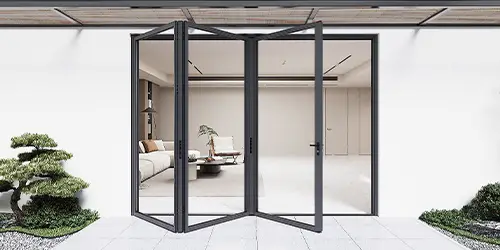
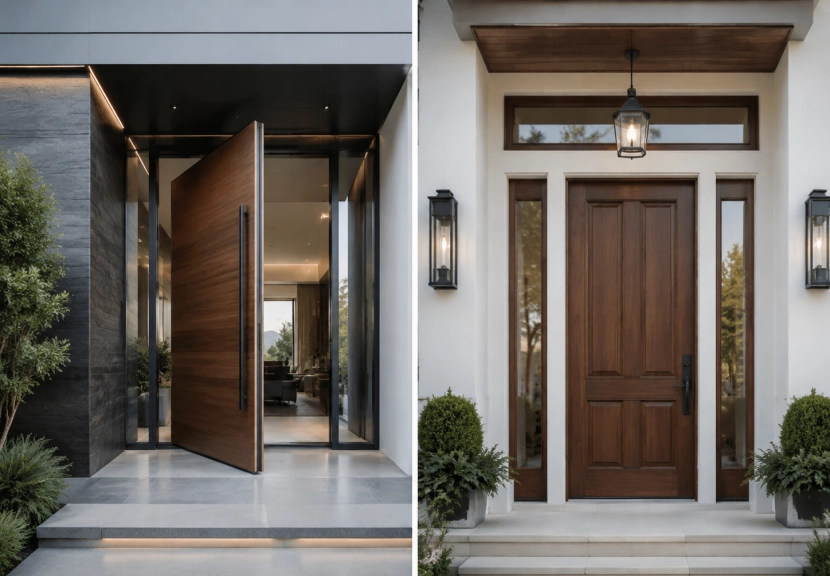
A pivot door shows modern style right away. A normal hinged door gives steady service that has lasted for years. Knowing how each one works, holds up, and fits the building plan helps you pick with more confidence.
What Is a Pivot Door?
A pivot door works with a special hinge setup. The door turns on a center or offset point instead of swinging from hinges on the side. This spreads the weight in a new way. It lets you use bigger and heavier panels without stressing the frame. The pivot hinge sits at the top and bottom. This gives a smooth turn that feels light even with large panels.
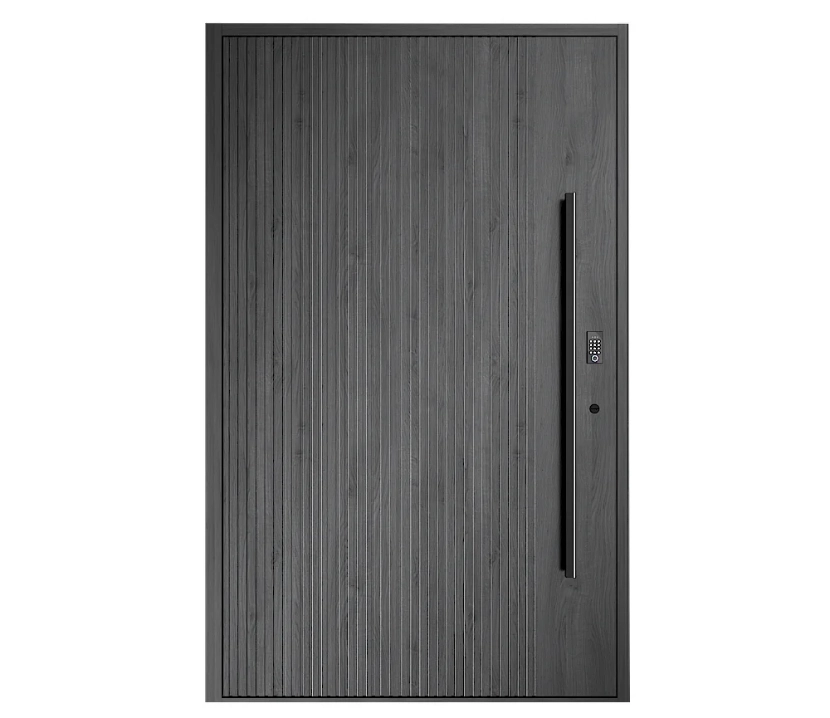
High-end pivot exterior doors often use solid wood, aluminum-clad composites, glass-reinforced steel, or thermally broken metal. These choices keep the door strong. They also help with insulation and weather protection. That matters a lot in luxury homes. OUNA often uses 6063-T5 aluminum with 304 stainless steel hardware. This mix adds both strength and clean looks.
Characteristics of Traditional Entry Doors
Traditional hinged doors use side hinges fixed to a frame. They swing open from one edge, either inward or outward. People pick solid wood, fiberglass, or insulated steel. Each material balances price, safety, and how much care it needs.
These doors work fine for most houses. But they show limits when architects want wide or tall openings. The side hinges cannot hold as much size or weight as pivot systems can.
Design and Aesthetic Considerations
The look of an entryway often sets the feel of a whole building. Each system brings its own style strengths, based on what the architect wants.
Architectural Appeal of Pivot Door Entry Systems
Pivot door entry systems now stand for clean, modern design. They give smooth lines and simple shapes. No visible hinges help create a light, floating look that suits new-style fronts. Pivot hinges can carry panels wider than 2 meters. This makes bold entrances that blend indoor and outdoor spaces with ease.
Designers also appreciate their flexibility in integrating various finishes:
- Glass inserts for transparency and light diffusion
- Metal cladding for industrial tones
- Rich wood veneers for warmth
For bespoke projects handled by OUNA, combining brushed bronze trims with natural oak surfaces creates a refined contrast that aligns with current architectural trends emphasizing tactile materials.
The Classic Elegance of Traditional Doors
Regular entry doors still win fans for their lasting charm. They fit many styles, from old colonial houses to European villas. Their balanced shape works well with added moldings, side windows, or top panels that dress up the doorway. Good craft work allows lots of changes through carved details, stained colors, or iron accents.
Functional Differences Between Pivot and Traditional Doors
Beyond looks, daily use decides if a system fits the space well.
Mechanism and Operation Comparison
Pivot doors turn around an axis set a few inches from one edge. This is not like side hinges. The motion balances so one part moves in while the other moves out.
Weight travels down through floor pivots instead of side hinges. This keeps movement smooth even with heavy builds. Still, exact setup matters. Small errors in line-up can affect balance or how well the door seals later.
Space Utilization and Accessibility Factors
Pivot systems need good planning because part of the panel swings inside when it opens. In tight halls this can limit where furniture goes. Yet they give strong access help when planned right. Wide openings make it easier to move big items or use mobility aids.
Hinged doors act more predictably in small spots since their swing stays on one side. For large lobbies or roomy home entries where space is open, pivot door entry choices bring strong visual punch while still working well.
Performance and Durability Aspects
Real-world results shape long-term happiness just as much as first looks do.
Weather Resistance and Energy Efficiency
Pivot designs once faced sealing issues. Gaps near the turning point could let air slip through. Modern builds fix this with multi-point gaskets and insulated cores like those in good windows.
Insulated glass or foam-filled metal skins raise heat performance. This helps in areas with big temperature swings. Careful build keeps seals tight when closed. Energy use stays close to that of top hinged doors.
Security and Structural Integrity
Both types reach high safety levels with strong locks such as multi-point latches or hidden bolts that grip the frame. Large pivot setups add inner support in the slab and jamb. This stops twisting stress from heavy use or wind.
Frame strength counts too. OUNA’s aluminum subframes give solid hold points and resist warp over time. This problem shows up more in big jobs that use only wood frames.
Installation and Maintenance Insights
Good setup leads to long life no matter the style picked.
Installation Requirements for Pivot Exterior Doors
Pivot exterior doors send weight straight down into the floor. This may call for extra floor support before heavy units go in. Installers use laser tools to line up the top and bottom parts exactly. Even a small shift can cause uneven swing later.
After fit, small tweaks may be needed once wood or metal settles from moisture or building shifts. This matters most in oversized designs.
Maintenance Practices for Longevity
Routine care keeps both types performing smoothly:
- Clean surface finishes regularly using non-abrasive agents
- Lubricate moving parts twice yearly
- Inspect seals or weatherstrips for wear
Exterior finishes benefit from UV-protective coatings if exposed to direct sunlight. When hardware shows signs of fatigue—such as squeaking pivots or loose handles—replacement should be scheduled promptly rather than delayed until failure occurs.
Cost, Value, and Long-Term Investment Considerations
Price checks should cover more than the first bill. They should include how long the door lasts and how it adds to the home’s look.
Comparing Initial Costs and Customization Options
Pivot systems usually cost more at the start because of special hardware and custom work. Standard hinged doors cost less off the shelf but give less room for size changes.
| Door Type | Typical Price Range | Customization Level |
| Traditional Hinged | $800–$3,000 | Moderate |
| Pivot Door | $4,000–$12,000+ | High |
Wood or aluminum choice, glass type, and finish all shift the final price.
Selecting the Right Door Type for Modern Architecture Projects
Modern simple buildings like clean surfaces where hardware stays out of sight. This fits a pivot door solution that stresses size and clean lines. Classic plans gain from balanced panels that hinged doors can offer with extra detail.
- Test operational comfort firsthand; feel matters as much as appearance
- Balance innovation against everyday practicality
- Collaborate closely with experienced manufacturers who understand tolerance control
Local weather also guides the pick. Coastal spots need metal that fights rust. Windy areas need strong anchors no matter the system.
FAQs
Q1: Are pivot doors suitable for small homes?
Yes, though they work best where there is room to spare since part of the door swings inward.
Q2: Do pivot exterior doors leak air more easily?
Not when built with care. Modern seals give tight performance like standard hinged doors.
Q3: How much maintenance do pivot hinges need?
Very little. Oil them twice a year and check alignment now and then with a pro.
Q4: Can traditional locks be used on pivot doors?
They need special multi-point locks made for vertical load setups.
Q5: What materials are best for coastal environments?
Marine-grade stainless steel or aluminum-clad composites fight rust well and still look good.