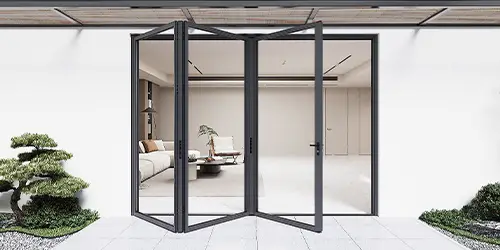
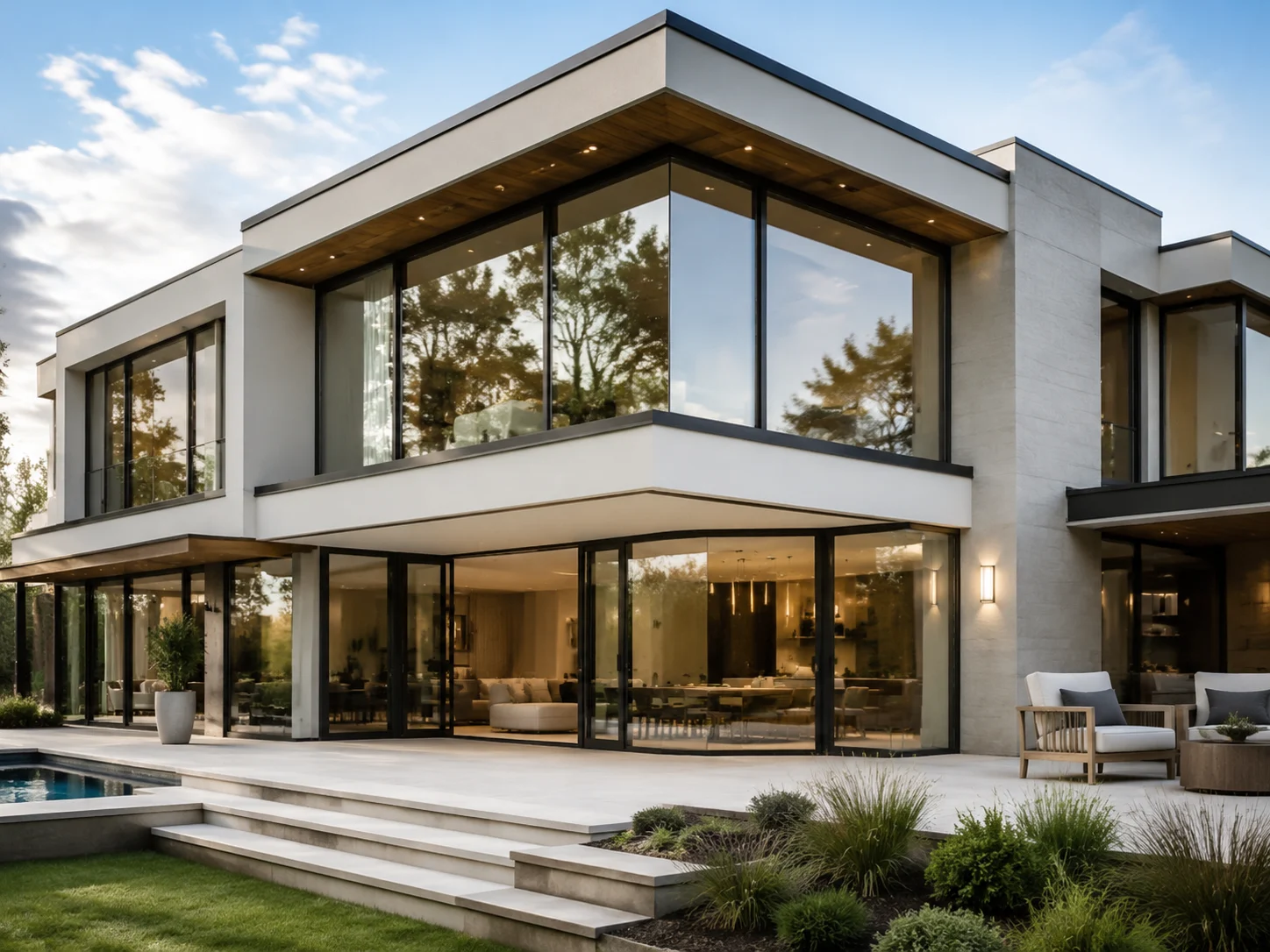
The evolution of aluminum windows keeps moving fast. It comes from better looks, new technology, and green goals. By 2026 these points will shape how homes look and how well they work. Homeowners and architects already choose thermal break aluminum windows. They like the mix of clean design and strong energy savings. In the years ahead this trend will grow. Custom sizes, smart controls, and green production will turn into normal choices instead of extras.
Emerging Aesthetic Directions in Aluminum Window Design for 2026
Design tastes now lean toward quiet beauty and simple shapes. Aluminum windows do more than open and close. They form part of how a building tells its story.
Minimalist Frames and Slim Profiles
Simple styles still lead in modern homes. Very thin frames stand out in high-end houses. They let in more light and cut down on extra lines. These frames hold large glass areas. The glass makes inside spaces feel linked to the outdoors. Architects value aluminum because it stays strong even with thin edges.
This works well in city flats or beach houses. It brings a feeling of openness and ties people to nature. Manufacturers like OUNA focus on smooth views through big glass and hidden parts. Small touches like these lift the overall look in a quiet way.
The Rise of Customizable Finishes and Colors
Custom choices have become the norm. Powder-coated surfaces now come in many shades. Architects can pick deep matte blacks or soft metal tones that match stone or wood. Textured layers copy natural grains yet keep aluminum strong.
Anodized layers add protection against rust and hold color steady for years. In wet or salty areas these layers help windows last longer while keeping their appeal. This matters for homes built with care for the planet.
Integration with Architectural Styles
Aluminum frames fit many building types. They suit plain Scandinavian houses or old factory lofts. Some designs mix classic shapes with new materials. This mix offers lasting style plus solid performance. Ideas from around the world also guide choices. Warm tones suit Mediterranean homes, while soft neutrals fit Japanese-style rooms.
Functional Design Trends Enhancing User Experience
Daily use matters as much as looks. Homeowners want windows that fit real life.
Sliding, Folding, and Tilt-Turn Mechanisms
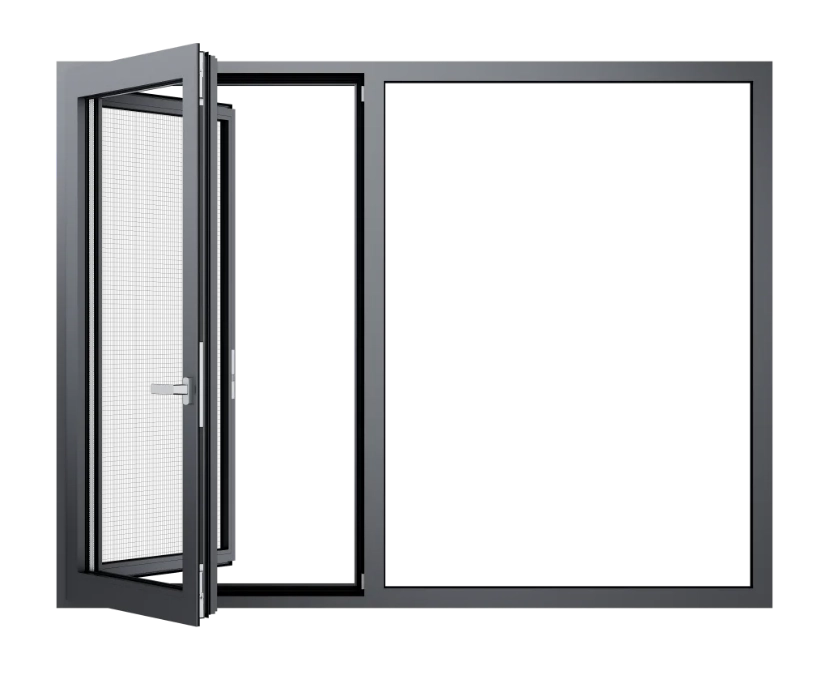
Different rooms need different ways to open. Sliding panels work well in small flats. Folding doors open wide for patios. Tilt-turn windows give light airflow or full open options depending on weather. New parts make these movements smooth even after many years.
Panoramic Views and Floor-to-Ceiling Installations
Big glass walls remain popular. Stronger aluminum supports wide spans and handles wind. These tall windows bring in lots of daylight and make rooms feel larger. Light itself becomes part of the design in open living spaces.
Technological Innovations Shaping Aluminum Window Performance
New ideas improve how aluminum windows work. Rules on energy use grow stricter each year. Homeowners want windows that react to daily life. Technology now sits at the center of window design.
Advancements in Thermal Break Technology
Saving energy stays a top goal heading into 2026. Modern thermal break aluminum windows place a strong plastic strip between the inner and outer parts. This stops heat from moving across and cuts energy loss while the frame keeps its strength and style.
| Feature | Benefit | Expected Standard (2026) |
| Enhanced thermal breaks | Improved insulation | U-values below 1.0 W/m²K |
| Multi-chamber profiles | Reduced condensation | Compliance with new EU norms |
| Recycled materials integration | Sustainability boost | Over 75% recycled content |
These changes meet tougher energy rules around the world. Buildings stay comfortable and still reach green targets.
Smart Window Solutions and Automation
Windows now link to smart home systems. Sensors check heat, moisture, and light. They open or close on their own. Users can also control them from a phone or by voice. Special glass can change how dark it gets with the sun. This cuts glare and lowers cooling costs in hot months. The window turns into an active part of the house.
Acoustic and Security Enhancements
City noise keeps rising. Thick glass layers block sound while the frame stays slim. Laminated glass also resists breaks and adds safety. Strong locks sit inside the handles. They protect the home without changing the clean look many owners want.
Sustainability as a Core Design Principle
Green thinking now guides how windows are made. Makers look at every step from start to finish. Aluminum can be used again and again. Almost all leftover metal goes back into new products. Makers now use low-emission paints that release fewer chemicals. Many projects aim for LEED or BREEAM marks. Clear records of where materials come from help earn these marks.
Windows help capture sunlight in winter and block heat in summer. Good placement and strong glass mean less need for heaters or air conditioners. Designers now measure glass size with care. They want bright rooms that still hold steady temperatures all year.
Aluminum Windows as a Future-Proof Investment in 2026 Homes
The market moves toward windows that perform well and can be shaped to each home. Green production supports this shift. Buyers want windows that look good and need little care. Aluminum surfaces stay clean longer than wood. Real estate shows rising interest in homes built with care for the planet. Every part, from walls to windows, reflects this thinking.
Top homes now expect windows made to exact needs. Size, color, and features must match the overall plan. Architects and makers work together early. OUNA joins planning meetings so windows fit the whole building instead of being added later. This teamwork leads to better results in custom projects.
FAQs
Q1: What makes thermal break aluminum windows more energy-efficient?
They place an insulating strip between the inner and outer frames. Heat has a harder time moving through, so the home stays warmer in winter and cooler in summer.
Q2: Are anodized finishes better than powder coatings?
Both last a long time. Anodized layers fight rust very well. Powder coatings give more color choices for different designs.
Q3: Can smart aluminum windows connect to existing home automation systems?
Yes. Most new models link to popular smart home platforms through Wi-Fi or Bluetooth.
Q4: How do aluminum windows contribute to green building certifications?
They can be recycled many times and they cut heating and cooling needs. These points help earn credits in LEED or BREEAM programs.
Q5: What trends will dominate luxury window design beyond 2026?
Simple shapes, smart controls, green materials, and full custom fits will keep leading the way.