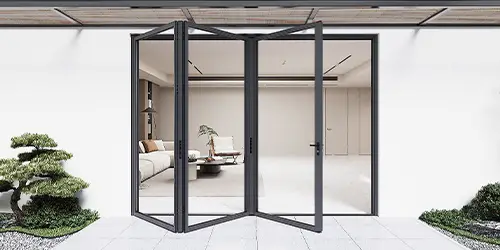
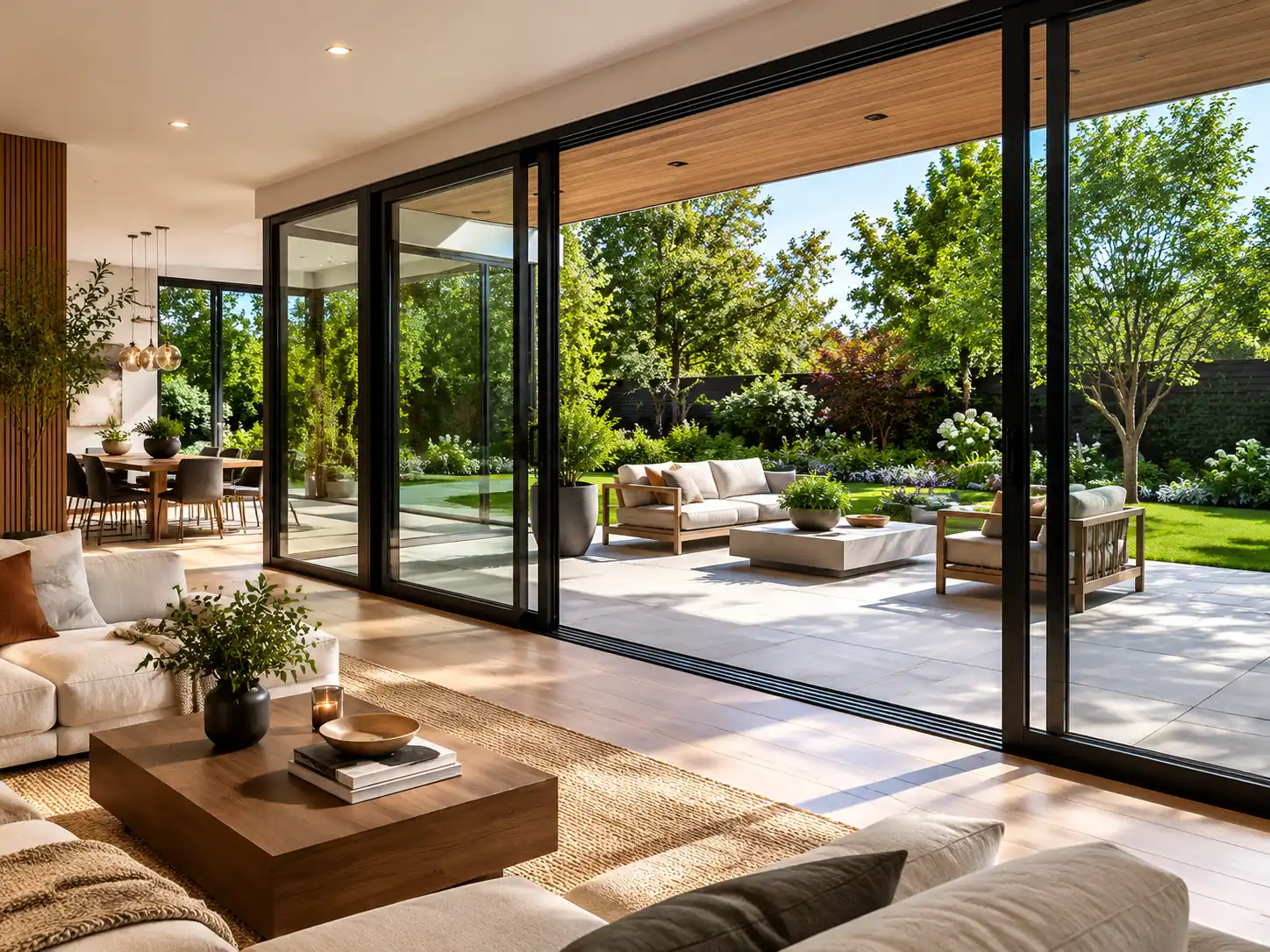
Modern homes are no longer limited by walls. The line between inside and outside is breaking down. This change creates spaces that feel open and let nature come in. Aluminum sliding doors now act as the link in this change. They look clean and work well. They also help tie living areas to the world outside. Homeowners who want both looks and good use find these doors change how open living feels.
The Growing Popularity of Indoor-Outdoor Living Spaces
Modern building styles now favor open plans. Rooms reach out to patios or yards with ease. This choice is not only about looks. It changes how people feel in the space. Sunlight comes in through big glass panels. Fresh air moves around without blocks. Views stay clear and wide. Old room plans seldom give this sense of calm or room to breathe.
Indoor-outdoor living helps people feel better too. Natural light keeps body clocks on track. Seeing green plants lowers stress. Many designers call this biophilic design. It mixes comfort with nature in a simple way.
Aluminum Sliding Doors in Modern Architecture
Before looking at design gains, it helps to know what sets aluminum sliders apart from other doors.
What is Aluminum Slider System
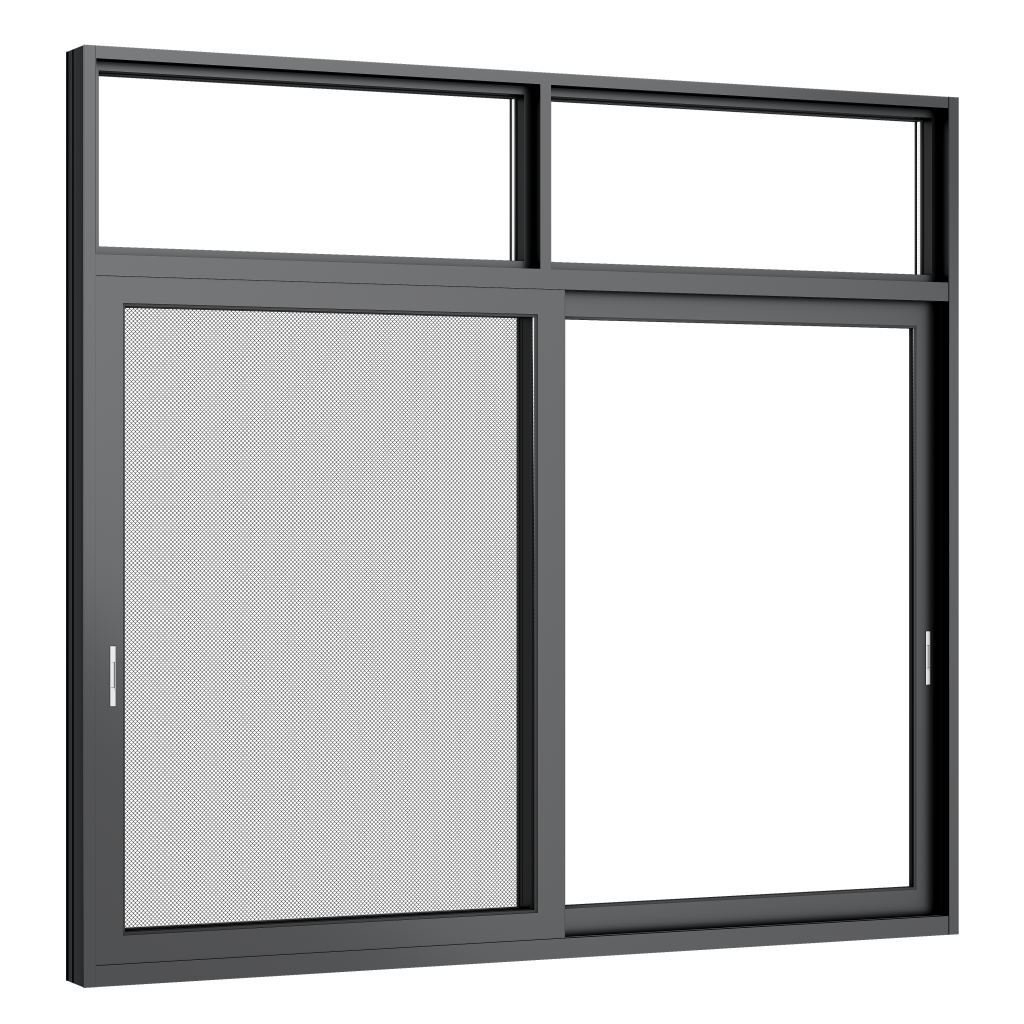
An aluminum slider has thin metal frames around large glass panels. The panels move smoothly on well-made tracks. The look keeps sight lines open and keeps use simple. These systems come in modules. They fit one opening or stretch across a whole wall in many panels. This works well for wide views from inside rooms to outside decks.
Advantages of Aluminum as a Door Frame Material
Aluminum stands out because it is both strong and light. Thin frames still hold up under weight or wind. They resist rust, so they suit homes near the sea where damp air and salt can harm other frames.
Newer models add thermal break parts inside the frame. These stop heat from moving through the metal. The result is good insulation while the look stays slim and clean. This detail helps the doors meet strict energy rules without losing their simple style.
Design Benefits of Aluminum Sliding Doors for Indoor-Outdoor Spaces
As homes move toward more open plans, aluminum sliding doors shape both feel and daily use.
Creating Visual Continuity Between Indoors and Outdoors
Thin frames make the edge between zones almost unseen. Closed panels keep full views through glass. Open panels remove the wall feel. Floors inside can match decks outside. Rooms then feel bigger and more joined. OUNA‘s sliding door design aims to create a seamless spatial experience. The thresholds are flush with the floor, allowing for a natural and smooth movement between different areas.
Enhancing Ventilation and Natural Illumination
Use matters as much as looks. Wide openings let air move through rooms and keep air fresh. Daylight cuts the need for lamps during the day. This saves power and lowers bills.
Users can shift panels to match the weather. A few panels open on windy days. All panels slide back during big gatherings. This keeps comfort steady through the seasons.
Performance Considerations for Aluminum Sliding Door Systems
When picking aluminum sliding doors for a house, real-world performance often matters as much as style.
Energy Efficiency and Thermal Performance
Energy savings come mostly from the glass and frame details:
| Feature | Function | Benefit |
| Double/Triple Glazing | Multiple glass layers separated by gas-filled cavities | Enhanced insulation |
| Low-E Coatings | Reflect infrared energy while allowing visible light | Reduced heat gain/loss |
| Thermal Break Frames | Non-conductive barriers within metal profiles | Improved temperature stability |
Good seals around the tracks stop drafts and water. This keeps indoor temperatures steady all year.
Security, Safety, and Structural Integrity
Large glass can raise safety questions. Modern aluminum sliders fix this with locks at several points along each panel. Tempered or laminated glass handles hits better than plain glass.
Strong frames stay rigid even across wide spans. Aluminum gives a high strength-to-weight ratio that beats wood or PVC in many cases.
Architectural Applications of Aluminum Sliders in Residential Projects
The flexible nature of aluminum sliders allows many uses around the home.
Integrating Sliding Doors into Living Rooms and Lounges
In living rooms and lounges, large openings link to terraces or gardens. Slim frames fit modern rooms with clean lines and soft colors. They keep the open feel during parties or quiet nights.
Using Sliding Systems in Bedrooms, Kitchens, and Studios
Compact tracks help where space is tight. Bedrooms can open to balconies. Kitchens can lead to small yards. These doors slide without needing swing room like hinged doors. In studios or home offices they create flexible walls that adjust as needs change through the day.
Customization Options for Modern Aluminum Sliding Doors
Personal touches now define high-end homes. OUNA’s custom work shows how details lift both form and function.
Finishes, Colors, and Surface Treatments
Powder coats come in many colors. Matte black fits industrial looks. Warm bronze pairs with stone walls. These coats hold color well over time. Anodized finishes add rust protection and keep the metal look for those who like a raw feel over painted surfaces.
Glass Types and Functional Enhancements
Tinted glass cuts sun heat in bright areas. Reflective coats keep rooms cool while keeping views clear. Sound-reducing layers limit street noise. Each option fits the site rather than using one fix for all homes.
Motorized tracks add ease. They answer to remotes or phone apps. Blinds built inside double glass let users adjust shade without extra parts on the outside. This clean setup appeals to owners who want smart features in daily life.
Future Directions in Indoor-Outdoor Door Design
The coming years will bring new ideas where design meets tech. Designers expect frameless sliders to lead new projects. Glass meets glass with tiny joints. This keeps the look simple. Color choices lean to soft tones with light metal accents. The style fits the clean look that stays popular worldwide.
Sensors will soon read temperature or room use. They can open or close panels on their own to improve airflow. This moves homes toward designs that react to daily habits. At the same time, recycled aluminum and low-carbon methods support green building goals and circular use plans.
FAQs
Q1: Are aluminum sliding doors energy-efficient?
Yes, when equipped with double glazing and thermal break frames they provide excellent insulation comparable to other high-performance materials.
Q2: How do I maintain aluminum sliders near coastal areas?
Regular cleaning with mild detergent prevents salt buildup; anodized finishes further protect against corrosion in humid environments.
Q3: Can large aluminum sliding doors be automated?
Absolutely—motorized track systems allow remote operation via wall switches or smart devices for added convenience.
Q4: What safety features should I look for?
Choose models featuring tempered or laminated glass combined with multi-point locking mechanisms for enhanced security against impact or forced entry.
Q5: Do aluminum sliding doors suit traditional-style homes?
Yes; customized frame colors and divided-light designs can complement classic aesthetics while maintaining modern functionality.