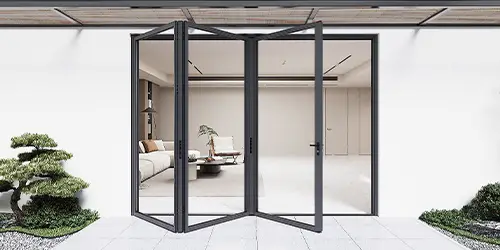
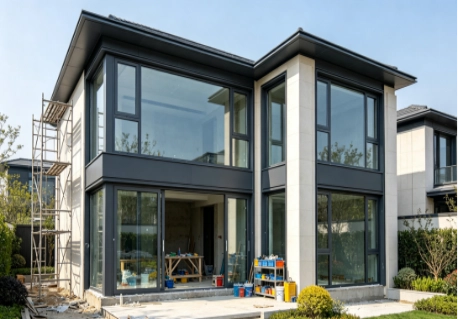
Summers keep getting warmer. At the same time, home power bills stay high. Because of this, property owners now look closely at how well their windows work. A thin profile and a nice look still matter. Yet, those visual traits are not enough anymore. Shoppers seek improved room comfort. They want less heat movement and fewer moisture drops on the glass. They also expect steady results that last for decades.
This exact situation makes thermally broken windows highly useful. These units blend the tough build and neat look of metal. They add a special blocking layer right inside the frame. That addition creates a setup that stops unwanted heat movement. It does this job without losing the sleek design that many people love.
Here at OUNA, we plan and build top-tier aluminum windows for home and business sites. Our method brings together smart shape planning, double-pane glass, and tight seals. We also focus on water flow, strong parts, and custom building steps. Together, these elements form a total window package. Recent 2026 talks focus on rising summer temps and strict power rules. These talks make insulation a huge factor when picking new glass units.
What Makes Thermally Broken Windows Different?
Before you pick a new setup, you should know what goes on inside the frame. Metal is tough, lightweight, and very firm. It is also quite simple to mold. Still, it moves heat very fast. Inside a basic metal frame, outside heat easily slips inside during July. In the same way, indoor warmth leaks out during December.
A thermal break alters that specific path. It splits the inside and outside metal parts. It uses a special material that blocks heat flow to do this. That block stops direct temperature shifts through the metal body. As a result, it boosts the overall energy rating of the whole unit.
How the Thermal Break Works
The blocking strip cannot make the frame fully sealed on its own. It also cannot provide perfect insulation by itself. Its real worth relies on the entire setup working together. This total package includes the frame depth and the glass type. It also involves the spacers, rubber seals, tight corners, water tracks, and the final fitting process.
The U.S. Department of Energy points out several key facts. They state that the frame stuff, glass panes, and spacers change how a unit saves power. The way the sash opens and other design traits matter too. They also note a vital point about metal bodies. These specific frames see huge gains from well-placed thermal breaks.
A well-designed thermal break can help:
- reduce heat transfer through the frame
- improve indoor temperature stability
- reduce cold or hot surface areas
- lower the chance of interior condensation
- support better heating and cooling performance
The difference may not be obvious from a product photograph. Two windows can look almost identical from the outside while performing very differently in daily use.
Better Comfort in Hot and Cold Weather
Windows affect comfort more than many homeowners expect. A poorly insulated frame can create a hot area near the glass in summer or a cold zone beside the window in winter. This is especially noticeable next to large windows, sliding systems, and floor-to-ceiling openings.
Thermally broken windows help create a more balanced indoor environment. The frame becomes less affected by outdoor temperature changes, so rooms may feel more comfortable throughout the year.
Why Large Glass Areas Need More Attention
Modern homes often use larger windows to bring in daylight and create wider views. However, more glass also means more exposure to outdoor heat, cold, sunlight, and wind. A large opening needs a carefully selected combination of frame and glazing.
For a sun-facing room, low e glass may help reduce unwanted solar heat while allowing useful daylight to enter. In colder climates, the best glass selection may be different. The right choice depends on the building’s orientation, local weather, shading, and heating or cooling needs.
This is why homeowners should compare complete-window data rather than looking only at the glass center value. The frame and edge areas also affect the final result.
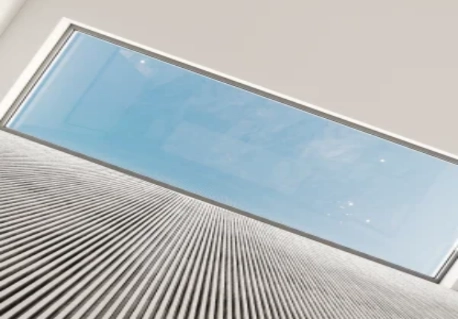
Lower Energy Use Through Whole-Window Design
The goal of energy efficient windows is not simply to add one insulating component. Good performance comes from several details working together.
A thermally broken aluminum window may include:
- insulated glass units
- a suitable thermal break
- low-emissivity glass coatings
- warm-edge spacers
- multiple sealing layers
- insulated frame chambers
- carefully designed drainage
- correctly fitted hardware
The U.S. Department of Energy recommends checking the whole-window performance instead of judging a product only by its frame or glass. ENERGY STAR guidance also shows that U-factor and solar heat gain requirements vary by climate zone.
U-Factor and Solar Heat Gain
The u factor measures how quickly heat passes through the window assembly. A lower number generally means less heat transfer. This is useful when comparing windows for cold climates, mixed climates, or air-conditioned homes.
Solar heat gain coefficient, often called SHGC, measures how much solar heat enters through the glass. A lower SHGC can be helpful in hot, sunny areas, while a higher value may be useful in some colder climates.
Homeowners should ask for:
- whole-window U-factor
- solar heat gain coefficient
- air leakage data
- glass build-up
- thermal break width
- condensation resistance
- test size and product configuration
Numbers should always be reviewed together. A very low glass U-factor cannot compensate for poor frame insulation or air leakage around the installation gap.
Less Window Condensation in Humid Homes
Window condensation appears when warm, moist indoor air meets a cold surface. It may show up on glass, aluminum frames, corners, or hardware. Occasional moisture is not always a serious problem, but repeated condensation can damage finishes and encourage mold growth around the opening.
A thermal break helps raise the interior surface temperature of the aluminum frame. This can lower the chance of moisture forming on the frame when indoor humidity is high and outdoor temperatures are low.
Condensation Depends on More Than the Frame
Thermally broken windows can reduce condensation risk, but they cannot remove every possible cause. Indoor humidity, ventilation, glass edge spacers, curtains, furniture placement, and installation quality also matter.
To reduce moisture problems, homeowners can:
- keep indoor humidity at a reasonable level
- improve airflow near exterior windows
- avoid blocking radiators or vents
- inspect seals and drainage paths
- choose insulated or laminated glazing where suitable
- ask about condensation resistance ratings
Buyers need to pick the frame, glass, and installation as a single complete system. This step matters a lot for bathrooms and kitchens. It is also vital for bedrooms and coastal houses.

Aluminum Offers Strength and Design Freedom
A lot of homeowners pick aluminum windows for their houses. People want good strength and slim sightlines. They also expect a long service life. Aluminum easily holds large glass sections. It does this without needing very thick frames. The metal avoids swelling and warping over time. This fact makes it a smart choice for damp places.
Good surface treatments help aluminum face daily sunlight. The material handles rain and wet conditions well. Builders find it easy to blend with various building styles. You can get powder-coated finishes or wood-grain looks. Custom colors are also an option. These choices fit both modern and classic home plans.
At OUNA, we offer a wide product range. We make casement, sliding, and folding types. We also build awning, skylight, fixed, tilt-and-turn, and single/double hung windows. Our 65 Series and 87 Series system windows feature insulated glass. They include multi-layer seals and thermal breaks. These details help projects that need better comfort and strong weather defense.
Why Manufacturing Quality Matters
A great window design might fail if factory control is weak. Many steps shape the final item. These steps include profile cutting and corner joints. Glass processing and gasket placement matter too. Hardware setup and the last inspection also change the end result.
OUNA brings design, making, and quality checks together. We do this inside a modern factory space. We handle custom sizes and specific glass choices. We also manage unique finishes and opening styles. Our team meets special project needs. Our company services include basic talks and custom planning. We build the goods and ship them worldwide. We serve both home and business buyers.
Buyers often need help with technical plans. They can look at OUNA’s product categories first. They can check available project materials as well. This step happens before they lock in a final order.
How to Choose the Right System for Your Home
Rooms do not always need the exact same window. A north-facing bedroom has unique needs. These needs differ from a west-facing living space. A beach house might require better rust defense. A home in a freezing area has other goals. That owner will focus more on frame warmth and stopping water drops.
Before ordering, consider:
- local climate and seasonal temperatures
- window orientation
- room function
- glass size and weight
- desired ventilation
- required sound control
- cleaning access
- frame finish
- local building requirements
- installation conditions
Ask the supplier for drawings that show the frame chambers, thermal barrier, glass position, gaskets, drainage route, and installation interface. These details are more useful than appearance alone.
Conclusion
Thermally broken windows are a practical choice for homeowners who want aluminum’s strength and modern appearance without accepting unnecessary heat transfer. The thermal break helps separate the interior and exterior frame sections, while insulated glass, low e glass, sealing, spacers, and correct installation complete the performance package. These details can improve comfort, reduce window condensation, and support lower heating and cooling demand. The right system still depends on climate, window orientation, room use, and glass size. OUNA provides custom aluminum windows designed around these real project needs, helping homeowners achieve a cleaner appearance, steadier indoor comfort, and dependable long-term performance.
FAQs
Q: Are thermally broken windows worth the cost?
A: Yes. They can improve comfort, condensation control, and long-term energy performance.
Q: Do aluminum windows cause condensation?
A: Standard frames may. A proper thermal break can greatly reduce condensation risk.
Q: Is a lower u factor better?
A: Usually, yes. A lower U-factor means less heat passes through the window.