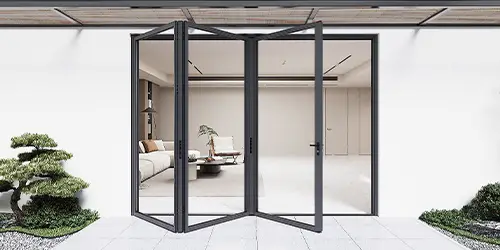
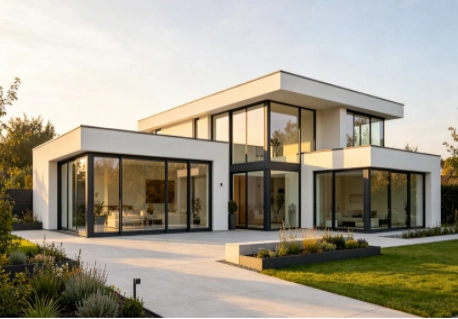
Homeowners focus on their windows much more today. Summers feel hotter. Cooling bills keep climbing. People also want better indoor comfort. Because of these changes, replacing old frames is now a major priority rather than just a simple visual update. A window might look sleek and new. However, it can still lose heat, let outside air in, or cause moisture buildup. Therefore, planning your aluminium window replacement with careful thought is highly recommended.
At OUNA, we create and build high-quality aluminum windows for residential spaces and commercial buildings. These projects require sharp aesthetics alongside reliable daily function. We tailor our systems for specific project demands. We focus closely on the frame structure, the type of glass, tight seals, and lasting durability. Recent OUNA advice regarding hotter summers and stricter energy rules in 2026 highlights a clear industry shift. Buyers now expect superior temperature management, tighter weatherproofing, and enhanced daily living. If your existing units feel outdated, let in cold breezes, or cause frustration, this guide will assist you in making a smart decision.
When Replacement Becomes the Right Move
Many property owners delay upgrading their windows for far too long. They simply accept the chilly breezes. They wipe away the morning moisture and ignore the underlying issue. They certainly see their rising utility costs. Yet, they often fail to link those expenses to the aging frames around their glass. In truth, outdated units hurt your daily comfort on a regular basis. This happens all year round, rather than just during severe storms.
Common signs your windows are failing
When your current setups display any of the following issues, getting new ones is likely the smartest option:
- cold air leaks near the main frame or moving sash
- cloudy glass or persistent window condensation
- steadily increasing heating and cooling expenses
- sashes that stick or feel difficult to operate
- broken rubber seals or ruined weather strips
- rainwater leaking inside around the bottom sill
- outside street noise sounding far too loud indoors
The U.S. Department of Energy points out that several elements determine overall window quality. These include the main frame, the glass layers, the internal spacers, and the opening mechanism. Simply put, the entire unit must function together smoothly. If just a single component breaks down, the entire wall opening will suffer from reduced efficiency and poor insulation.
Why waiting often costs more
Aging fixtures represent more than just a simple energy problem. They actually make your living spaces much less enjoyable. For example, a bedroom with a drafty frame might stay overly warm during July. That same room could turn freezing cold by December. A family area with failing weather seals will constantly feel slightly uncomfortable. As the months pass, this situation creates daily annoyance alongside the financial loss.
What a Good Replacement Window Should Include
Before you evaluate different brands or check contractor quotes, you should understand the essential internal parts. Buyers frequently make a major mistake here. They judge a product based solely on its surface color or its basic shape. A much smarter strategy involves reviewing the complete system. This includes examining the structural frame, the glass panels, the rubber seals, the metal hardware, and the final installation method.
The following section explains the most crucial components in detail. After you grasp these basic concepts, comparing various options becomes significantly easier. Furthermore, this knowledge helps you avoid spending money on mere visual appeal.
Thermal break, glass, and performance numbers
A thermal break remains one of the most critical elements found in modern metal systems. Aluminum offers excellent strength and a very slim profile. However, this material also transfers heat quite rapidly. Adding a thermal break effectively slows down that temperature transfer. Consequently, this hidden feature keeps your indoor climate much more consistent and comfortable.
For replacement projects, energy efficient windows usually combine:
- a thermal break inside the frame
- insulated glass
- low e glass for better heat control
- warm-edge spacers
- tight sealing strips
- solid drainage design
If you are comparing labels, also ask about the u factor. The lower the number, the less heat passes through the window.
Frame quality and daily use
Good windows should not only save energy. They should also feel easy to live with. A replacement window that looks good but opens badly will frustrate you every day. That is why the operating style matters too.
Sliding windows can work well where space is tight. Casement styles can offer strong ventilation. Fixed windows can be useful when view and daylight matter more than opening. On the OUNA product page, you can see how different aluminum window and door types fit different project needs.
Condensation control is part of the job
Many homeowners think condensation is just a glass problem, but that is only part of the story. Moisture often shows up when a cold surface meets humid indoor air. The frame, edge spacer, and room humidity all play a role.
The EPA says natural ventilation through windows and doors can help indoor air quality when outdoor conditions are suitable. You can read more in the EPA’s improving indoor air quality guide. In a replacement project, good sealing, proper operation, and a smarter frame design can all help lower the chance of moisture problems.
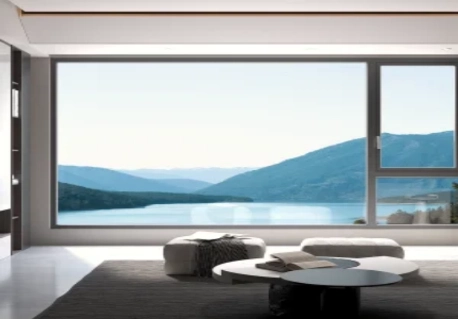
Why OUNA Fits Replacement Projects Well
At OUNA, we build windows for projects that need more than a basic off-the-shelf product. We focus on custom design, stable production, and a clean architectural look. Our team works with premium aluminum systems for residential and commercial clients worldwide, and our about us page gives a clear view of how we approach design, manufacturing, and global supply.
We use modern manufacturing steps such as profile extrusion, glass tempering, surface treatment, assembly, and cutting. In practical terms, that means the parts are made to fit together well. For replacement work, fit matters a lot. A good window system should match the opening, seal well, and stay stable over time.
Built for custom homes and real climates
Replacement projects are rarely identical. Some homes need stronger sun control. Some need better sound reduction. Others need easier cleaning or a cleaner modern look. Our aluminum windows can be tailored to the opening style, glass build-up, and finish that the project needs.
We also design with comfort in mind. Many OUNA systems use insulated glass, multi-layer sealing, and well-controlled frame structures that help support better indoor use. For homeowners, that means less hassle and a more comfortable room after the old windows come out.
Strong materials, cleaner living
A replacement window should handle daily life, not just pass a brochure test. It should open and close smoothly. It should resist weather better than the window it replaces. It should look good without demanding constant care. That is where aluminum has a real advantage.
With the right finish and structure, aluminum frames can stay neat for years. They do not warp as easily as some other materials, and they can support larger glass areas without looking bulky. For many homes, that mix of strength and style is the main reason to replace older windows with a better aluminum system.
A Practical Checklist Before You Order
Once you reach the buying stage, keep the process simple. The best replacement choice is usually the one that matches your climate, your room, and your daily habits.
Before you order, ask for:
- the window’s full performance data
- the u factor and glass details
- thermal break information
- air and water sealing design
- opening style options
- maintenance advice
- warranty and service terms
- installation recommendations
If you live in a hot area, ask more about heat gain and sun exposure. If you live in a humid area, ask more about condensation control. If your home is near traffic, noise control may matter more. The right replacement system should fit your real life, not just the catalog.
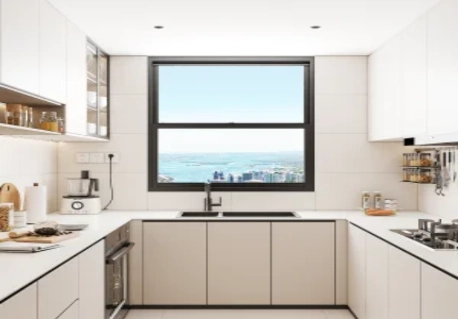
Conclusion
Replacing windows is a practical upgrade, not just a visual one. The right aluminium window replacement can reduce drafts, improve comfort, lower energy waste, and make daily cleaning easier. A good system usually combines a thermal break, the right glass, solid seals, and careful installation. It should also fit your climate and the way you use each room. For homeowners who want a cleaner look with real performance behind it, OUNA offers custom aluminum windows built around long-term use. If your old windows are leaking air, collecting condensation, or making the room harder to enjoy, replacement may be the smartest next step.
FAQs
Q: How do I know when replacing aluminium windows is necessary?
A: If you feel drafts, see condensation, or notice higher bills, it is time.
Q: Are aluminum windows good for energy savings?
A: Yes, especially with a thermal break and low e glass.
Q: What is the most important number to check?
A: Start with the u factor. Lower numbers usually mean better insulation.