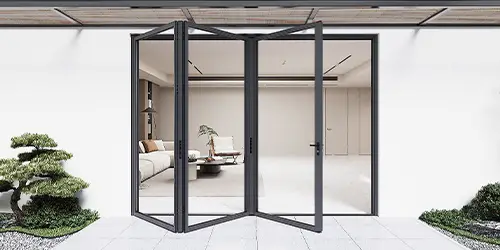

Casement windows bring excellent daylight, wide views, and natural airflow. Yet their side-hinged design creates a common challenge. Most standard window fans are built for double-hung windows. These fans expect a horizontal sash to close around a square fan body. A casement window opens outward. This leaves a tall and narrow space that needs a different solution.
The right window fan can make a bedroom more comfortable. It can remove cooking odors. It can reduce indoor humidity. It can also release trapped heat after a hot day. In addition, it supports window ventilation when running an air conditioner throughout the house is not necessary.
The fan must fit securely. It needs to move enough air. It must also leave no large gaps around the opening. This guide explains how to compare fan type, airflow, noise, controls, weather protection, and installation for casement windows.
Why Casement Windows Need a Different Fan Design
A casement sash swings outward on hinges. It normally closes against compression seals. This construction helps explain why casement windows often have low air leakage. It also means the opening cannot hold a wide box fan in the same way as a sliding window.
Before buying a fan, examine the complete opening rather than its glass size. The crank, handle, insect screen, hinges, and outward-moving sash may all affect the available space. A good solution must work with these parts. It must do so without placing harmful pressure on the window frame.
Narrow Fans and Custom Inserts
A narrow window fan is usually the simplest choice. Some models have a slim vertical body that fits beside an open casement sash. Other models use a round exhaust fan mounted inside a removable panel.
A custom insert can be made from rigid acrylic, polycarbonate, insulated board, or another weather-resistant material. The insert fills the open area. It provides a correctly sized hole for the fan. It also creates a better window seal than fabric, cardboard, or loosely fitted foam.
The panel should be strong enough to resist wind. At the same time it must remain light enough to remove when the window must close. Its edges should not scrape the aluminum finish. They should not interfere with drainage paths either.
Screens, Cranks, and Opening Clearance
Measure from the inner frame, not from the outer edge of the wall opening. Check whether the insect screen can stay in place. In some casement windows, the screen sits inside the room. It must be removed before a fan panel can be installed.
The crank must remain accessible. This is especially important if you plan to close the window during rain or poor outdoor air quality. Leave clearance around hinges and locking points. Never force the sash farther than its designed opening angle to make space for a larger fan.
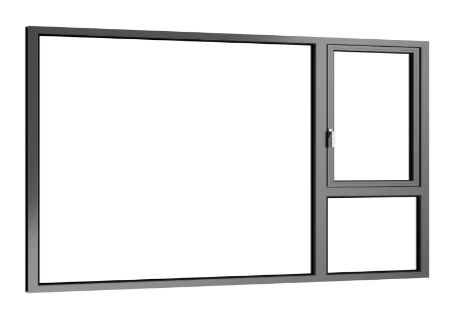
Select Airflow for the Room and Purpose
A powerful fan is not always the best fan. High airflow may clear a hot room quickly. However, it can also create more noise. It may pull doors closed. It can draw outdoor pollutants through gaps elsewhere in the home. Start by deciding whether the fan will provide fresh air, remove stale air, or support whole-home cross-ventilation.
Fan airflow is commonly listed in cubic feet per minute, or CFM. Room size matters. Ceiling height, heat sources, occupancy, window position, and the planned running time are also important. Treat the stated CFM as a comparison figure rather than a promise of identical results in every home.
Intake, Exhaust, and Reversible Airflow
An intake fan draws outdoor air into the room. Use this mode when the outdoor air is cooler and cleaner than the indoor air. It can be particularly helpful in the evening after the temperature falls.
An exhaust fan pushes warm, humid, or stale air outside. Exhaust mode is often useful in kitchens, workshops, home offices, and upper-floor rooms where heat collects.
A reversible fan provides both functions. Some models reverse the motor direction. Other models require the fan body to be turned around. Motorized reversal is more convenient. It reduces the need to disturb the window seal.
For stronger cross-ventilation, use the fan as an exhaust at one side of the home. Then open another window on the opposite side. Air can then move through the occupied rooms instead of circulating around one opening.
When Outdoor Air Should Stay Outside
Window ventilation is valuable only when outdoor conditions are suitable. The EPA recommends evaluating outdoor pollution sources before increasing ventilation. Check temperature, humidity, pollen, traffic pollution, and local air-quality reports.
During wildfire smoke, close the window and stop using an intake fan. Outdoor smoke particles can enter through open windows and mechanical ventilation. The EPA’s wildfire indoor-air guidance advises reducing smoke entry. It also recommends using suitable filtration when outdoor air is unhealthy.
A window fan moves air. It does not automatically clean it. Attaching an unsuitable filter can reduce airflow. This can cause the motor to run hotter. Use only filters and accessories approved for the fan.
Compare Noise, Controls, and Energy Use
A fan may meet every airflow requirement and still be unpleasant in a bedroom. Motor quality, blade shape, mounting rigidity, fan speed, and vibration all influence noise. Product descriptions often highlight maximum airflow. The low-speed sound level can be more important for overnight use.
Compare how the fan will be controlled after installation. If the unit sits high in a tall casement window, manual buttons may be inconvenient. A remote control, timer, thermostat, or automatic mode can make daily operation easier. These options do not require complex smart-home equipment.
Choose a Comfortable Sound Level
Look for a published sound rating when available. Decibels provide a more useful comparison than words such as “quiet” or “silent.” Remember that sound changes with fan speed and installation.
A loose panel can amplify vibration even when the motor itself is quiet. Use soft weatherstripping around the panel edge. Secure the fan according to its instructions. Do not tighten mounting points so heavily that the panel bends. Avoid transferring vibration directly into the frame.
Bedrooms and study areas usually benefit from a larger fan running at a lower speed. Kitchens and utility rooms may tolerate a smaller, faster exhaust fan for short periods.
Useful Controls Without Unnecessary Complexity
A thermostat can switch the fan according to room temperature. However, it cannot judge whether outdoor air has become hotter, smoky, or humid. You must still monitor conditions.
A timer is helpful for nighttime cooling. It prevents the fan from running after the outdoor temperature changes. Multiple speed settings provide more control over noise and airflow. A reversible fan with independent intake and exhaust modes adds flexibility for seasonal use.
Check whether settings return after a power interruption. This matters if the fan is controlled by an external timer or smart outlet. Confirm that the manufacturer permits that type of control before using it.
Create a Secure and Weather-Resistant Window Seal
The space around the fan deserves as much attention as the fan itself. An open gap allows insects, rain, dust, and hot air to enter. It can also reduce the pressure difference that helps an exhaust fan move air through the room.
A removable insert is usually cleaner and safer than covering the opening with tape. Accurate measurements are essential. Casement window openings may look rectangular. They often differ slightly between the top, center, and bottom.
Use this installation checklist:
- Measure the clear opening width and height at several points.
- Record the location of the crank, screen, hinges, locks, and drainage openings.
- Choose a rigid panel suited to sunlight, moisture, and outdoor temperature changes.
- Add compressible weatherstripping around the insert.
- Fasten the fan securely without drilling into critical window parts.
- Provide a hood or rain shield where the fan design allows it.
- Keep the power cable away from sharp edges, water, and moving hardware.
- Test the window seal at both low and high fan speeds.
The insert must never block an emergency escape window. It should be removable without special tools if the opening is part of an egress route.
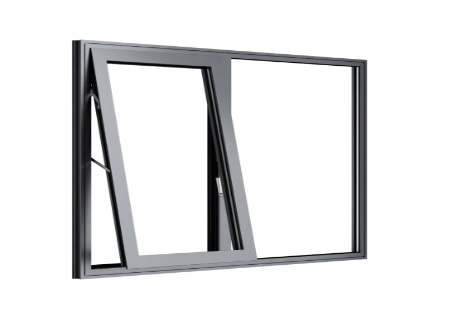
Use a Window Fan Safely During Heat Waves
A window fan feels cooling because moving air helps moisture evaporate from the skin. However, it cannot make incoming air colder than the outdoor temperature. During a heat wave, drawing hotter daytime air indoors may increase the room temperature.
Keep the casement windows closed and shaded when outdoor air is much hotter than indoor air. Once the outdoor temperature falls below the indoor temperature, open suitable windows. Then use the fan to release stored heat.
Place an exhaust fan in a warm upper-floor room because hot air tends to rise. Open a lower or shaded window on the opposite side of the home. This creates a useful airflow path.
A window fan is not a replacement for safe cooling during dangerous heat. Older adults, young children, pregnant people, and people with certain medical conditions may require air conditioning or access to a properly cooled space.
Match the Fan Plan to a Quality Casement Window
Fan performance also depends on the window. A weak frame, poor seal, damaged crank, or unstable sash can make installation difficult. Well-built casement windows provide a firm opening. They offer controlled movement and reliable closing pressure after the fan insert is removed.
At OUNA, we design and manufacture premium aluminum window systems for residential and commercial projects. Our casement window products can be customized around project dimensions, glass, finishes, screens, hardware, and performance needs.
We focus on the complete window system, including aluminum profiles, insulating glass, seals, drainage, and operating hardware. For projects that require special openings or coordinated ventilation planning, our team can provide consultation, custom design, manufacturing, and international supply support through our OUNA service capabilities.
Conclusion
The best window fan for casement windows must do more than move air. It should fit the narrow opening. It needs to provide suitable CFM. It must run at a comfortable sound level. It should also support both intake and exhaust needs. A rigid insert and reliable window seal will help keep out rain, insects, dust, and unwanted heat.
Use the fan when outdoor air is cooler and cleaner than indoor air. Close the window during smoke, extreme heat, or heavy rain. Measure every part of the opening before purchasing, including the crank, screen, hinges, and locks. When the fan, insert, and casement window work as one system, you gain practical ventilation. You do so without giving up safety, comfort, or the window’s normal performance.
FAQs
Q: Can a window fan fit casement windows?
A: Yes. Use a narrow fan or a custom sealed insert designed for casement windows.
Q: Should a casement window fan face inward or outward?
A: Face it inward for fresh air and outward to remove heat, moisture, and odors.
Q: Can I run a window fan during wildfire smoke?
A: No. Close the window and use indoor air filtration until outdoor air quality improves.