Wildfires, warmer summers, and tougher home insurance checks have forced many property owners to view their houses differently. The roof is important. Landscaping is important too. However, a single weak door can still allow heat, smoke, and blowing embers to get inside. Because of this, fire rated doors are now more than just a building code issue. They serve as a crucial part of home hardening.
For homeowners, architects, and builders, the main question is no longer just “Does this door look nice?” A smarter question to ask is, “Can this door provide fire safety, everyday comfort, and lasting value all at once?” Solidly built exterior doors can answer that question. This is especially true for high-performance aluminum doors. They offer great strength, neat design, and improved defense against harsh weather.
Why Exterior Doors Have Become a Fire Safety Priority
Current wildfire advice frequently highlights a basic fact. Houses do not always catch fire from direct flames. Instead, they can ignite when embers slip into tiny gaps. These sparks often gather at doorways. They can also land on flammable materials near openings. The U.S. Fire Administration points out that embers can fly far ahead of an actual wildfire. They then enter buildings through weak spots like windows and air vents. You can learn more about this specific threat in their wildfire ember protection guidance.
Exterior doors are located right inside that danger zone. A standard door features edges, hardware holes, and a threshold. It also includes weather seals and sometimes glass panels. Every single part has to work together perfectly. If the core material is weak, the door might break down. The same thing happens if the seals are bad. This failure often occurs right when the house needs protection the most.
Fire rated doors help to lower that exact risk. They create a much tougher barrier between outside fire threats and your indoor living areas. Many homes are located in wildfire-prone areas, crowded neighborhoods, or very dry climates. For these properties, this upgrade is a highly practical step. It is no longer just a luxury option.
What Makes Fire-Rated Doors Different from Standard Doors
A fire-rated door is built to slow down the spread of fire and intense heat. It does this for a specific, tested time period. This safety rating depends on the entire door assembly. It does not rely on the door panel alone. Therefore, the frame, core, and glass matter a lot. The seals, hinges, and the final installation process are just as important.
Before picking out fire rated doors, property owners need to look past basic surface styles. A reliable exterior door must fit into the wall opening very tightly. It also needs to handle daily wear and tear while matching the local climate. This fact is especially true for custom homes. In these houses, large openings and special finishes are common. Modern architecture can also put extra design pressure on the doors.
Door Material and Core Structure
The base material is the first major difference to notice. Standard wood doors might look very warm and inviting. However, they can absorb moisture and warp over time. They also burn much more easily if they are not built for strict fire performance. Hollow doors or low-density options are even weaker in these situations.
Aluminum doors provide a very strong alternative for modern exterior entrances. Aluminum is completely noncombustible. It is highly stable and resists rust easily. You can pair it with the right insulation, tough panels, and proper weather seals. When built this way, the door supports both fire safety and everyday living comfort.
At OUNA, we design and build premium aluminum door and window systems. We make these for both residential and commercial building projects. Our products focus heavily on safety, long-lasting durability, and great architectural looks. This balance matters a lot. Homeowners want serious protection, but they do not want to give up a beautiful, refined entrance.
Sealing, Thresholds, and Ember Protection
A door does not need a large opening to become vulnerable. Small gaps can allow embers, smoke, dust, and hot air to enter. This is why seal quality is so important.
A strong door assembly should include:
- Tight weatherstripping around the frame
- A firm bottom sweep or threshold seal
- Stable hinges that keep the panel aligned
- Durable locking points that pull the door closed evenly
- Noncombustible or fire-resistant trim around vulnerable edges
Public home hardening guidance also highlights the need to close gaps around doors and garages. The CAL FIRE home hardening guide explains that poorly sealed exterior doors can become ember entry points during wildfire exposure.
Why Aluminum Doors Fit Modern Home Hardening
Home hardening focuses on lowering fire risks before a crisis occurs. This process is not a single item. It is never just a fast repair. Instead, it involves a complete property strategy. This strategy covers roofs, vents, walls, windows, yards, and exterior doors. Many property owners find that swapping out outdated doors acts as a highly noticeable improvement. It also serves as a very practical update.
Aluminum doors fit this role perfectly. They handle multiple requirements at the same time. These units boost fire safety and stand up to severe weather. They also increase security levels. At the same time, they blend well with sleek building designs. This solid mix explains a major trend. Aluminum doors now appear frequently in luxury houses and commercial builds.
Better Stability in Harsh Conditions
High temperatures, damp air, wind, and heavy rain always impact exterior doors. A panel might swell or bend out of shape. It might also slip out of its proper frame alignment. These issues often leave open spaces. Such gaps ruin energy efficiency. They also reduce defense against flying embers.
Top-tier aluminum doors hold their original form quite well. They outperform many standard building materials in this area. Furthermore, they rarely crack or decay. They also resist bug damage easily. Some houses sit near the ocean or in dry wildfire areas. Others face noisy city streets. For these locations, this lasting strength offers a major benefit over time.
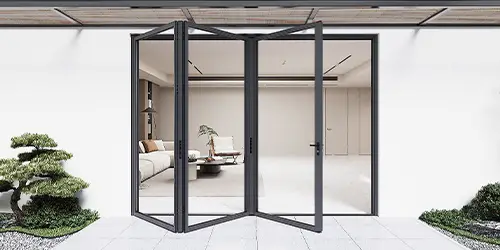
OUNA’s aluminum doors feature several distinct styles. Buyers can choose sliding doors, folding units, and casement door setups. We build these products for various layout needs. They work well in small patio areas. They also fit massive wall openings. These large spaces require easy gliding action alongside firm weather seals.
Stronger Safety without Heavy Visual Design
Certain fire safety materials carry a very industrial appearance. This bulky look creates issues for luxury homes and upscale hotels. It also clashes with villas and modern housing layouts. Owners certainly desire greater protection. However, they still value visual balance and nice colors. They care deeply about glass types and hardware styles. The overall mood of the front entryway remains highly important.
Aluminum doors easily fix this style problem. They feature narrow frames and tough paint layers. They also support massive glass panels and unique surface finishes. These traits help the unit look elegant. Meanwhile, it still performs a vital safety function. This careful balance matters heavily for entry doors. The main entrance always sets the initial mood for the entire property.
OUNA provides tailored design services. We also supply exact manufacturing support for international builds. Our team helps match specific door sizes and opening styles. We align paint colors, glass choices, and lock hardware directly with your building plans.
Key Features to Check Before Buying Fire-Rated Exterior Doors
Purchasing exterior doors requires careful thought. You should never rush this choice. A door acts as an active piece of the wall structure. It is not just a final cosmetic touch. When dealing with fire safety, mistakes cost dearly. An incorrect size or a flimsy frame causes massive problems. Bad installation work can completely ruin the effectiveness of your safety upgrades.
Please review the following details closely before picking fire rated doors. This careful check helps buyers avoid bad investments. Some items look incredibly tough on websites. Yet, they fail quickly when installed in actual houses.
Fire Rating and Local Code Needs
Always verify if your current build demands a specific fire rating. Some houses require certified units between the parking garage and the main living areas. Other properties might need much tougher outside defense. This often happens due to strict local wildfire laws or regional construction codes.
Ask these questions:
- What fire rating is required for this location?
- Is the full door assembly rated, including frame and glass?
- Does the product suit exterior weather exposure?
- Are the seals and hardware part of the rated assembly?
- Will the installer follow local code requirements?
A fire-rated label alone is not enough. The door must match the real use case.
Glass and Visibility Requirements
Many homeowners want exterior doors with glass because they bring light into the entry area. Glass can be beautiful, but it must be chosen with care. In wildfire-prone areas, single-pane glass is more vulnerable to radiant heat. Double-pane tempered glass can offer better resistance and comfort.
For aluminum doors with glass, consider:
- Double tempered glass
- Laminated safety glass where needed
- Smaller glass areas for higher-risk exposures
- Metal screens for sliding or screen doors
- Strong frame support around each glass panel
The goal is not to remove beauty. The goal is to make beauty safer.
Security, Sound, and Energy Performance
Fire safety is important, but homeowners live with the door every day. A smart upgrade should also improve daily use. The best exterior doors should close smoothly, block noise, reduce drafts, and support home security.
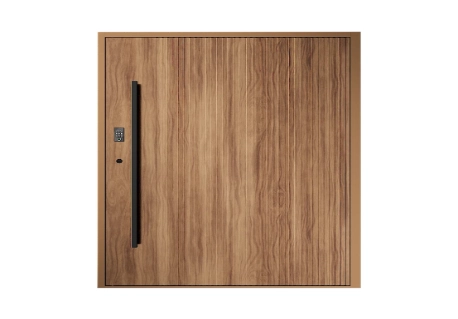
Look for reinforced frames, stable hinges, strong locks, insulated panels, and durable surface coatings. OUNA’s pivot door uses 6063-T5 aluminum, stainless steel hardware, insulation, and concealed soft-closing technology, making it suitable for projects that need both strength and a premium entrance style.
Where Fire-Rated Doors Add the Most Value
Not every door faces the same risk. A front entry door under a covered porch has different exposure from a side door next to dry landscaping. A garage entry door has different needs from a large patio opening. Smart planning starts with risk mapping around the home.
For many homes, the most important places to review include:
- Front entry doors exposed to wind and dry vegetation
- Side doors near fences, sheds, or stored fuel
- Garage doors and doors between garage and living space
- Patio doors facing decks or outdoor furniture
- Sliding doors near mulch, planters, or dry leaves
- Service doors with old weatherstripping or damaged frames
The OUNA products page shows different aluminum windows, aluminum doors, and front entry doors for varied project needs. Matching the right product type to each opening helps create a safer and more coherent building envelope.
A Practical Upgrade Plan for Homeowners
A full renovation is not always possible. The good news is that fire safety can improve step by step. Start with inspection, then replace the weakest parts first.
Use this simple plan:
- Walk around the home and check every exterior door.
- Look for gaps larger than 1/8 inch, damaged seals, loose hinges, or soft frame areas.
- Remove combustible items within 5 feet of doors, including wood piles, plastic storage, and dry planters.
- Replace old screen doors with metal mesh options where suitable.
- Upgrade high-risk doors to fire rated doors or stronger aluminum doors.
- Ask a qualified installer to confirm frame fit, seal contact, and threshold performance.
The National Interagency Fire Center also recommends using fire-resistant or noncombustible materials when hardening a home against wildfire. Its home wildfire preparation guidance is useful for homeowners reviewing the wider structure, not just the doors.
Conclusion
Fire rated doors are not only for commercial buildings or strict code areas. They are a smart choice for homeowners who want better fire safety, stronger ember protection, and a more resilient home. As wildfire risk, insurance pressure, and climate stress grow, exterior doors deserve more attention in every home hardening plan.
The best upgrade is not just a thicker door. It is a complete door system with the right material, frame, seal, glass, hardware, and installation. Aluminum doors make this easier because they combine strength, clean design, and long service life. For modern homes, that balance is exactly what safety-focused design should deliver.
FAQs
Q: Are fire rated doors useful for normal homes?
A: Yes. Fire rated doors improve fire safety, especially near garages, patios, and wildfire-prone areas.
Q: Are aluminum doors good for ember protection?
A: Yes. Aluminum doors are noncombustible and work well with tight seals and metal screens.
Q: How often should exterior doors be checked?
A: Check exterior doors every six months, especially before wildfire season.