Hotter summers, higher cooling costs, and stricter building standards are changing how buyers evaluate aluminum windows. A frame may look slim and modern, yet appearance alone does not guarantee good performance. It may transfer heat too quickly, allow excessive solar heat indoors, or develop air and water leakage around poorly designed joints.
At OUNA, we believe a high-quality aluminum window should be treated as a complete system rather than a simple frame-and-glass product. The profile structure, thermal break, glazing, seals, drainage, hardware, and installation details must work together to provide lasting comfort and protection.
This guide explains how to assess thermal break windows, low e glass, window U-factor, solar heat gain, opening styles, and performance test data, helping you choose the right window system for different climates and building needs.
Why Aluminum Windows Need a Climate-First Specification?
Aluminum gives strength, neat lines, and good support for large glass areas. Yet, every building site deals with a unique blend of heat, cold, wind, rain, humidity, and noise. Before picking a profile series or finish, buyers must check the local climate. They should also decide the needed performance for each side of the building.
Heat Transfer Through the Frame
Aluminum moves heat very fast. Without an insulating barrier, outside heat can travel through the frame during the summer months. Meanwhile, indoor warmth can slip away during winter. The U.S. Department of Energy advises using a thermal break in metal frames. This helps to cut down this heat flow.
A thermal break divides the inner and outer aluminum parts using a low-conductivity material. Its width, shape, and connection style change the outcome. Yet, the profile chambers, corner joints, gaskets, glass edge, and installation gap play huge roles too.
When you compare thermal break windows, always request whole-window performance. Do not accept a profile-only claim. Sturdy profiles can still leak heat due to bad glazing, weak spacers, or air leaks around the sash.
Solar Heat Gain Through the Glass
In warm regions, solar heat gain can be just as vital as frame insulation. Big west-facing windows can pull harsh afternoon heat into homes, hotels, offices, and villas. This pushes indoor temperatures up. As a result, cooling systems must work much harder.
Low e glass can cut down unwanted heat. At the same time, it keeps helpful daylight. Still, the correct coating relies on the climate and orientation. A low solar heat gain coefficient often fits hot, sunny spots well. In cooler places, chosen windows might gain from extra winter solar warmth.
Do not select glass just by how it looks. Ask for visible transmittance, solar heat gain, glass thickness, cavity width, spacer type, and safety treatment. The finest glass package balances comfort, natural light, privacy, sound control, and local rules.
Five Performance Checks Before You Buy
A price quote might show frame depth, glass thickness, color, and hardware. These facts do not share the whole story. A smart buying process must link measurable performance with the actual building. The next checks help buyers compare items fairly. They also help avoid pricey changes after making starts.
1. Compare the Whole-Window U-Factor
Window U-factor shows how easily heat moves through the full unit. A smaller number mostly means stronger resistance to heat transfer. Make sure the given value includes the frame, sash, glass, spacer, and standard product size. It must not cover just the middle of the glass.
A top-performing glass unit can be ruined by a conductive frame edge. A bad sash design can also cause issues. For global jobs, compare values using the same unit system. Also, make sure they use the same test method.
The NFRC residential certification program rates U-factor, solar heat gain coefficient, visible transmittance, air leakage, and condensation performance. These groups offer buyers a handy setup for checking reports.
2. Match Solar Heat Gain to Climate and Orientation
Solar heat gain must be picked based on location. It should not follow a single worldwide rule. South-facing glass, shaded glass, and west-facing glass get different amounts of sun. A project with wide panoramic windows might also need a different glass plan compared to a house with small openings.
Before you say yes to the glass package, look at several details. These include the climate zone and summer design temperature. They also involve window direction and outside shading. The glass area compared to the wall area is very important. Room use and expected occupancy matter a lot. Cooling capacity must be looked at. Finally, daylight and privacy needs finish the list.
A well-balanced specification can lower overheating without making rooms dim. It also stops the use of the exact same glass on every side of the building.
3. Review Glass, Seals, and Drainage Together
Energy efficient windows rely on linked parts. Double or triple insulating glass can boost thermal and acoustic performance. However, this works only when the edge seal stays firm. Warm-edge spacers can drop heat transfer near the glass edge. Multiple gaskets can stop drafts. Proper drainage paths carry rainwater away from the frame.
Ask suppliers to lay out the full water path. Where can water enter the outer chamber? How is the pressure balanced? Where does the water drain out? Can dust clog the outlet?
For open projects, ask for section drawings. These should show the glass bite, gasket position, drainage chamber, thermal break, and installation interface. These drawings show much more than a simple product photo.
4. Choose the Opening Style for Real Use
Different opening styles fix different problems. Casement windows can offer tight compression sealing. This is because the sash closes firmly against the frame. They often fit places where air tightness, rain resistance, and steady ventilation are top goals.
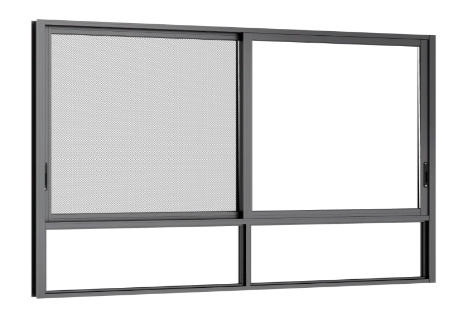
Sliding windows keep interior space free. They work nicely for wide openings, balconies, and rooms where sticking-out sashes are not useful. Their track, interlock, rollers, drainage, and brush seals require close review in windy or rainy spots.
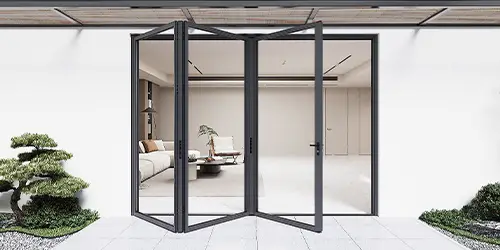
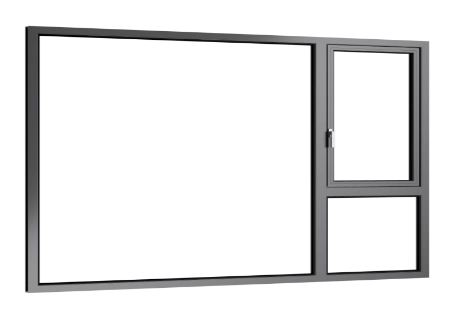
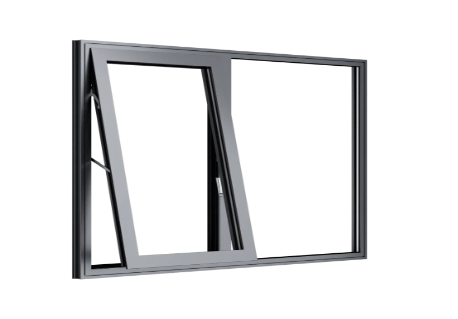
Fixed windows allow huge views and great air tightness. But, they give zero ventilation. Tilt-and-turn, awning, hung, folding, and skylight designs each handle distinct tasks. A solid window schedule often mixes several types.
5. Ask for Test Data and Project Drawings
A high-end look does not replace real proof. Ask for reports that cover structural strength, air leakage, water penetration, thermal performance, sound control, and hardware durability. The needed tests change by country and building sort.
Then, link the tested unit to the planned unit. Size changes are a big deal. A window tested at a medium width might not work the same when made bigger for a villa or commercial façade. Mullion spacing, glass weight, wind pressure, opening size, and hardware load must be checked once more.
Project drawings must display several facts. These include frame and sash dimensions. They show the glass build-up. Reinforcement and anchoring are also noted. The drainage direction shows up in the drawings. Perimeter sealing is displayed too. Opening direction and hardware spot finish the details.
This close review guards both the buyer and the maker before production gets going.
How OUNA Supports Performance-Based Window Selection?
At OUNA, we design and build premium aluminum windows for residential and commercial projects. Our line includes casement, sliding, skylight, tilt-and-turn, awning, hung, fixed, and folding systems. This helps teams pair each opening with its true job.
We can talk about profile structure, insulating glass, thermal breaks, drainage, hardware, finish, size, and opening method during customization. Our aim is to change architectural ideas into a useful specification. We do not want to offer the same window for every single climate.
Through our custom design and making services, we help buyers who need project drawings, performance coordination, and supply for varied markets. Early technical talks can cut down later changes, shipping delays, and installation troubles.
Common Mistakes That Raise Cost or Reduce Comfort
Many window issues start long before manufacturing. They stem from missing specifications, vague responsibility, or choices based mostly on looks. Stay away from these frequent errors:
- picking slim frame windows without looking at glass weight and wind load;
- checking only glass U-value instead of the whole-window U-factor;
- applying one low e glass specification on every single elevation;
- overlooking drainage and sill height in very rainy areas;
- buying big operable sashes without testing hardware limits;
- leaving installation gaps and sealant details until the delivery day.
A smarter process begins with climate, opening size, building use, and test needs. The design then follows those needs. This clear order gives buyers better control over costs. It also lowers the risk of hot rooms, condensation, leaks, hard operation, or fast maintenance needs.
Conclusion
Picking aluminum windows in 2026 takes more than just finding a slim frame and a nice finish. Buyers must check whole-window U-factor, solar heat gain, low e glass, thermal break design, seals, drainage, hardware capacity, and proven test data. Climate and orientation have to shape the glass package. The opening style should fit daily use and weather exposure. Project-specific drawings are just as vital. This is because huge custom windows can act differently from normal tested sizes. At OUNA, we team up with homeowners, architects, builders, and developers. We turn these deep needs into clear, buildable window answers. A smart specification done early can boost comfort. It can lower cooling and heating needs. It also stops pricey changes during installation.
FAQs
Q: Are aluminum windows suitable for hot climates?
A: Yes. Thermal breaks, proper low e glass, and managed solar heat gain greatly boost hot-climate comfort.
Q: What does a lower window U-factor mean?
A: It mostly means the full window blocks heat transfer much better.
Q: Can OUNA make custom windows for large openings?
A: Yes. We customize size, glass, profile, finish, hardware, and opening method to meet project needs.