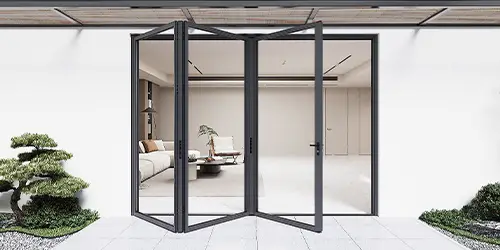
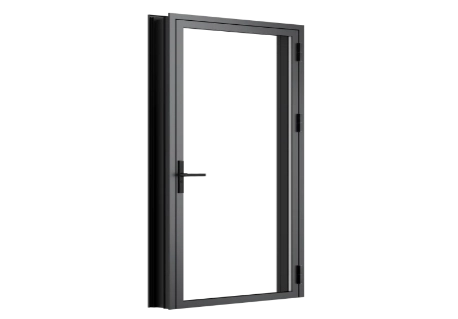
A front entrance should welcome guests. It must also stand up to harsh weather. At the same time it should help the home feel comfortable. An aluminum storm door can add that second line of protection. It does so without hiding the architecture behind a heavy solid panel. Yet the right choice depends on much more than color. Climate, glass, ventilation, frame design, hardware, and installation all shape daily performance.
This guide explains how to compare those details in practical terms. It is written for homeowners who want lasting value, clearer product specifications, and fewer surprises after installation. Whether you are replacing an aging storm door or planning a new entrance, the goal is the same. Choose a door that suits your home rather than a generic showroom display.
Start With the Job Your Storm Door Must Do
Before comparing models, decide which problems matter at your entrance. A coastal home may need corrosion resistance and reliable drainage. A cold-climate home may need better glass and tighter weather seals. A sunny west-facing doorway may need solar control. Clear priorities keep attractive but unsuitable features from driving the purchase.
Match the Door to Your Climate
In cold regions, look for a tight frame, continuous weatherstripping, low-e glass, and an insulated separation between interior and exterior metal where available. In hot regions, solar heat is often the larger issue. ENERGY STAR buying guidance recommends judging U-factor and Solar Heat Gain Coefficient, or SHGC, by climate zone for rated exterior products.
Lower values generally mean less heat flow and solar gain. The right balance depends on location and glazing area.
Extreme rain and wind change the priorities again. Check reinforced corners, water-shedding thresholds, frame-to-wall sealing, and stated wind or water performance. An aluminum door is naturally resistant to rot. Poor joints or weak hardware can still allow movement, leakage, and noise.
Choose Glass for Comfort, Light, and Safety
Glass occupies most of many modern storm doors. It has a strong effect on comfort and appearance. The best panel is not automatically the darkest or thickest option. Consider where the entrance faces. Think about how much daylight you want. Also consider whether children or pets use the doorway. Finally consider how often you need insect-screen ventilation.
Clear, Tinted, or Low-E Glass
Clear glass preserves views and brings daylight into the hall. Tinted glass reduces glare and adds privacy. It can make an already shaded entrance feel dim.
Low-e glass has a thin coating that reflects radiant heat. It is useful where comfort and energy use matter. Climate and door color must be considered together because strong sun can heat the space between two doors.
For context, the U.S. Department of Energy notes that low-e coatings can greatly reduce energy loss in window systems. A storm door is a different assembly. Ask for whole-product data rather than relying on a center-of-glass claim.
Tempered Glass and Seasonal Screens
Tempered safety glass shatters into small chunks instead of dangerous shards. This makes it a great starting point for active doorways. Laminated glass can provide better protection. It also helps reduce outside noise when you can get it.
During the summer, a removable or pull-down screen lets fresh air inside. It also keeps bugs out. Make sure swapping the glass for the screen is an easy task. The screen material needs to stay tight. You should also check if you can order spare parts later.
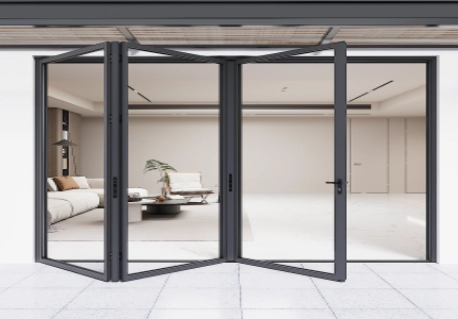
Read the Aluminum Frame Beyond Its Finish
A nice powder-coated surface looks great. However, the unseen frame structure really matters. This hidden design keeps the door straight. It also ensures the door stays quiet and works smoothly over time. Premium aluminum needs very little upkeep. It holds its shape extremely well.
Thickness by itself does not guarantee good results. The corner joints are very important. Thermal barriers and water drains matter too. The way the parts are built must fit together perfectly as one whole system.
Thermal Breaks and Weather Seals
Aluminum moves heat very fast. A thermal break solves this problem. It puts a special barrier material between the inside and outside metal pieces. This setup cuts down on heat moving through the frame. It helps a lot in freezing or boiling weather. It is also great for big doors with lots of glass.
You should match this thermal break with tough rubber seals. Put these seals at the top, sides, and bottom of the frame. Try to find seals that you can easily swap out. Avoid glued weather strips because they are hard to fix later.
A good energy efficient door must shut tightly against all the rubber seals. Sometimes one part of the frame fits poorly. If that happens, cold air and rain will leak inside. This leakage happens even if you have excellent glass.
Finish, Corrosion, and Structural Detail
Powder coating gives your aluminum door a tough surface. It also provides many color options. Salty ocean air requires extra care. You need special metal treatments and the right screws. You also have to wash the salt off regularly.
Look closely at the angled corners and the hinge supports. Check the drain holes as well. See how the door closer connects to the main metal frame. These small parts tell you how long the product will last. They matter much more than a fancy handle.
People living near the beach or in damp places need to ask questions. Find out how the factory tested the paint. Stainless steel screws must match the aluminum frame perfectly. This careful matching stops rust from forming around the screw holes.
Make Security and Daily Use Work Together
A storm door needs to be simple to open. You should be able to use it while holding groceries or helping kids. It also must stand up to strong winds and break-ins. Real safety does not come from just one lock. It depends on the whole system. The frame, hinges, glass, screws, and the actual installation must all work together.
Focus on these useful features:
Find a strong latch area with a good lock. It should click shut without needing you to lift or yank the handle.
Look for at least three strong hinges. A single long hinge works best for very tall or busy entryways.
Get a door closer that lets you change the closing speed. It should have a hold-open tool that stays out of your way so you do not trip.
Pick a low bottom step that drains water quickly. The handle must sit in a spot where it avoids hitting your main house door lock.
The safety glass needs tight holding strips around the edges. The bug screen should be strong enough so no one can easily push it out.
A heavy aluminum storm door is not always the safest choice. Bad hinge spots or weak metal joints will make it sag over time. Open and close the whole thing yourself. Make sure the latch catches without you pushing hard.
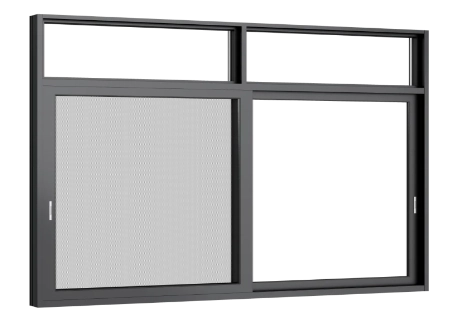
Measure the Opening and Plan Installation
Even a great storm door fails if the doorway is crooked. Bad measurements will ruin the job. Check the width at the top, the middle, and the bottom. Next, check the height on both sides and right in the middle. Write down the smallest numbers you find.
You also need to look at the outside trim and the bottom slope. Note where the hinges will go. Check the space for the handle and the door closer. Sometimes your doorway does not match standard sizes. A custom aluminum door gives a much better fit than using ugly filler blocks.
The installation job must form a solid weather seal. It must not block the water drain paths. Your screws need to bite into solid wood framing. The side pieces must stay perfectly straight. The bottom sweep should just kiss the floor without scraping hard.
The Department of Energy identifies air sealing as a major path to better comfort and lower energy use. That principle matters here. Gaps around a premium door can erase the benefit of better glass and frame parts.
Compare Real Value, Not Just Purchase Price
The lowest quote may omit upgraded glass, corrosion-resistant hardware, custom sizing, freight, or professional installation. Ask every supplier to separate those items.
Then compare expected maintenance, access to replacement parts, warranty terms, and the likely cost of correcting a poor fit. A durable aluminum storm door often earns its value through fewer repairs and steadier operation.
A useful quotation should state:
Frame alloy or profile specification, finish system, and available thermal break.
Glass type, thickness, safety treatment, and any U-factor or SHGC data.
Lock, hinge, closer, screen, seals, threshold, and drainage details.
Finished size, opening direction, color, production time, shipping, installation, and warranty.
Do not compare two quotes until you know whether they cover the same parts and services. A cheaper storm door may cost more later if seals, screens, or hardware cannot be replaced.
How OUNA Supports a Better Door Decision
At OUNA, we design and manufacture premium aluminum door systems for residential and commercial projects. Our products can be customized around project size, opening style, glass, finish, hardware, and climate needs.
We draw on integrated design, production, and quality control rather than treating the frame, glass, and hardware as unrelated parts.
Our wider product range includes sliding, folding, casement, entry, and pivot door solutions. This gives homeowners and project teams room to compare function before choosing a form.
We also support international projects with consultation, custom design, manufacturing, and global supply services. Explore OUNA company capabilities when a standard retail size cannot meet the architectural or performance brief.
Conclusion
The best aluminum storm door is the one that answers the real conditions at your entrance. Begin with climate and exposure. Then compare low-e glass, safety glazing, screens, thermal breaks, seals, drainage, locks, and closer action.
Confirm the opening with careful measurements. Treat installation as part of the product, not an afterthought. A well-made aluminum door should open smoothly. It should protect the primary entry door. It should admit useful daylight. It should remain serviceable for years.
Ask for clear specifications and a complete quote before buying. When performance, appearance, and daily use are considered together, the final choice becomes easier. It is far more likely to deliver lasting comfort and weather protection.
FAQs
Q: Is an aluminum storm door suitable for coastal homes?
A: Yes. Choose coastal-grade coating, compatible fasteners, clear drainage, and regular fresh-water cleaning.
Q: Does low-e glass make a storm door more energy efficient?
A: Usually, but climate, sun exposure, seals, and installation still control whole-door performance.
Q: How much clearance should a storm door sweep have?
A: It should lightly contact the sill without dragging. Follow the maker’s millimeter specification.