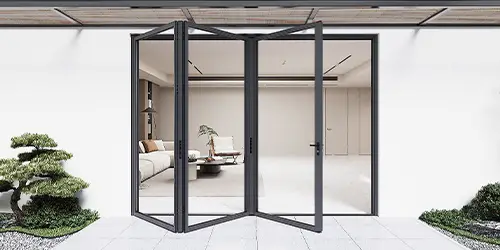
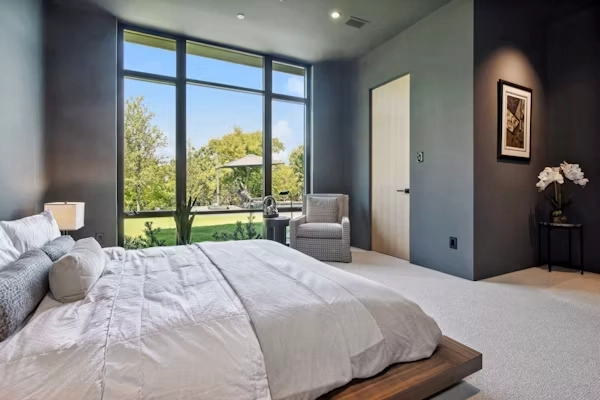
img.bedroom aluminum windows.webp
Modern homeowners still prefer brighter interiors, cleaner lines, and wider outdoor views. Homeowners often seek more natural daylight inside their living spaces. At the same time, architects look for simple facades that create clean designs. Builders require window systems that look elegant yet provide dependable performance in real projects.
These needs explain why slim frame windows have become a popular choice in contemporary window design. Slim frame windows offer a high glass-to-frame ratio. This creates more visible glass and less frame. As a result, the design brings broader outdoor views, greater natural light, and a refined architectural look. Yet many clients still ask one important question. They wonder whether thin window frames can stay strong enough to hold large glass areas.
Why Slim Frame Windows Are Popular in Modern Homes
Slim frame windows offer more than a passing trend. They address practical needs for people who desire open, bright, and comfortable living spaces.A narrow frame makes the window look lighter. It lets the view stand as the main focus instead of the frame drawing attention. This method works very well for villas, apartments, hotels, offices, and coastal homes with appealing surroundings. Large glass windows make a room feel more spacious even when the floor area stays the same. Living rooms gain a sense of openness. Kitchens become brighter. Bedrooms can feel calmer when they maintain a visual connection to the outdoors.
At OUNA, we design our aluminum windows for projects that require both aesthetic appeal and lasting performance. Our products serve residential and commercial buildings where design, strength, and comfort remain equally important.
Why Aluminum Works Well for Thin Window Frames
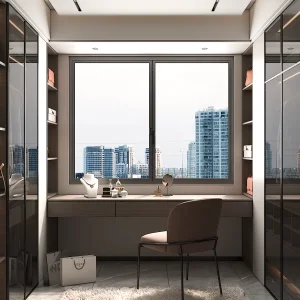
img.slim frame aluminum window.webp
A slim frame requires a strong material. Aluminum has become widely used in modern window design. It offers strength, stability, and suitability for precise profiles. It supports larger glass areas while the visible frame stays narrow and clean.
One important advantage of aluminum lies in its strength-to-size performance. A properly engineered aluminum frame can remain slim yet stay robust. This capability allows the window to carry glass weight, withstand wind pressure, and maintain sash alignment during regular operation.
OUNA provides a wide range of products, including aluminum windows, aluminum doors, and front entry doors. We assist project buyers in coordinating windows and doors with matching design language, frame finish, and performance standards.
Strength Is More Than Frame Thickness
Many clients evaluate slim frame windows according to the visible width of the frame. A thinner sightline creates a more attractive look. However, strength depends on several factors beyond appearance. Frame depth, profile structure, glass type, hardware, and installation method all play essential roles.
A window can present a slim profile from the outside while using a deeper internal structure for added support. This combination often provides the best balance. The visible frame remains clean, but the overall system retains sufficient structure to hold larger glass windows safely.
Glass weight represents another critical consideration. Double glazing, laminated glass, and thicker safety glass add considerable load. The frame must support this weight without deflection. Hinges, rollers, locks, and anchors need to correspond with the window dimensions. Weak hardware can lead to difficult operation, noise, or instability over time.
Slim frame windows must look attractive in design drawings. They must also deliver reliable performance after years of actual use.
Thermal Break Windows Improve Comfort
One common concern with aluminum windows involves heat transfer. Aluminum conducts heat readily. So a basic aluminum frame may allow more heat movement between inside and outside spaces. Thermal break windows solve this problem directly. A thermal break places an insulating barrier between the inner and outer aluminum sections of the frame. This barrier reduces heat flow through the frame. It also helps create better indoor comfort. The same system lowers condensation risk as well. Condensation appears when warm moist indoor air meets a cold surface. Better frame insulation along with suitable glass effective sealing and proper room ventilation all help reduce this problem. For slim frame windows thermal performance needs careful attention instead of secondary consideration. The design usually includes more glass. So the whole system needs thoughtful planning. An attractive window should not make the room too hot in summer or too cold in winter.
Sealing and Drainage Protect Long-Term Performance
A strong frame alone cannot guarantee performance if the window allows air or water leakage. Sealing and drainage play vital roles in slim frame windows. This holds particularly true in rainy, windy, or coastal environments.
Quality gaskets seal the gaps between sash and frame. In casement windows, strong compression sealing boosts both air and water resistance. In sliding windows, track design, brush seals, and drainage holes work together well. Proper drainage stays just as important. During heavy storms, rainwater can enter the outer track. A well-planned system gives a clear path for water to leave the frame safely. Poor drainage lets water build up inside the frame. This buildup may then damage nearby walls or interior finishes.
Choosing the Right Slim Frame Window Type
Different areas call for various window styles. The best choice relies on factors like ventilation requirements, the preferred outlook, specific safety standards, how simple it is to clean, and the general room design.
Fixed slim frame windows work best when maximum view remains the primary objective. They do not open. As a result they support larger glass areas and simpler lines.
Sliding windows provide effective solutions in areas where space is limited. The sash moves from side to side. As a result, it needs no extra clearance inside or outside the room. This feature makes sliding windows a practical choice for apartments, kitchens, bedrooms, and offices.
Casement windows perform well when strong ventilation is essential. They open outward on hinges and capture side breezes effectively. When closed they normally deliver excellent compression sealing.
Slim frame windows can be coordinated with aluminum doors to establish a uniform appearance throughout the building. In indoor-outdoor living zones, aluminum sliding doors or folding doors blend naturally with large fixed windows. They work together to form wider and brighter transitions between interior and exterior spaces.
Custom Aluminum Windows for Better Project Results
Standard windows cannot accommodate every building requirement. Many premium projects call for custom aluminum windows. Opening sizes, frame colors, glass specifications, wind load conditions, and design styles vary significantly from one project to another.
Custom aluminum windows allow clients to select appropriate glass, finish, hardware, and operating style for each location. This flexibility helps the completed building achieve greater visual harmony and improved day-to-day performance.
Installation Is Part of the Window Strength
Even superior slim frame windows may underperform if installation is not executed correctly. Installation forms the critical connection between window and building structure. An uneven opening, inadequate anchors, or improperly applied sealant can cause leakage, movement, or operational difficulties.
Large glass windows demand precise measurement and careful fixing. The frame must never be forced into an irregular opening. Anchors need to suit both the wall material and window dimensions. Sealant and flashing should direct water away from the wall assembly.
For project buyers it makes sense to coordinate installation details before production begins. This practice minimizes errors and ensures the window system performs according to its intended design.
Conclusion
Slim frame windows represent a sound selection for modern homes and commercial buildings that require wider views, increased daylight, and cleaner architectural lines. However, a slim appearance must never compromise performance. Superior outcomes result from robust aluminum profiles, appropriate glass choices, thermal break windows, dependable hardware, effective sealing, and proper installation. Large glass windows can bring both beauty and safety when the full system gets careful planning from the start. Homeowners, architects, builders, and developers should choose slim frame windows that match the building’s style, local climate, overall size, and expected long-term performance. They should consider how the windows will look and perform over many years. This step helps avoid future problems and keeps the structure strong.
FAQs
Q: Are slim frame windows strong enough for large glass windows?
A: Yes, when glass, frame, hardware, and installation are properly matched.
Q: Do thermal break windows reduce heat transfer?
A: Yes, they reduce heat movement through aluminum frames.
Q: Are aluminum windows suitable for modern window design?
A: Yes, aluminum windows offer slim lines, strength, and clean style.