Aluminum Sliding Doors for Patios Buying Guide in 2026
Aluminum sliding doors have become a popular option for modern homes and business patios. Their slim frames, large glass areas, and smooth sliding mechanisms work well in open living areas. Still, many buyers pay attention only to the appearance of the doors. They often overlook important technical aspects that affect performance over time. Before they place an order, buyers should learn about structural quality, thermal performance, sealing systems, and hardware reliability. These elements directly affect comfort, safety, and long-term durability. In the current market, energy costs continue to rise and building rules grow stricter. For these reasons, selecting the right aluminum sliding doors requires careful thought instead of quick choices.
At OUNA, we design and manufacture customized aluminum sliding solutions for various architectural needs. We pay attention to both visual appeal and performance stability. Our projects often include large patio openings.
Why aluminum sliding doors dominate modern patio design
In recent years, aluminum sliding doors have taken the place of many traditional hinged systems in patio applications. The reason stands out clearly. Sliding systems travel along tracks rather than swinging inward or outward. This design lets people place furniture closer to the doorway. Architectural flexibility provides one more obvious benefit. Large glass surfaces help form a smooth link between indoor and outdoor areas. Natural light then serves as an important design feature. It enhances the general atmosphere of the space.
Energy efficiency serves as a major driver as well. Modern aluminum patio doors often include thermal break structures and double glazing systems. These features help reduce heat transfer. This matters especially in regions with extreme temperatures.
From luxury villas to urban apartments, sliding systems are now widely used. They balance aesthetics with functionality.
Frame quality and thermal performance considerations
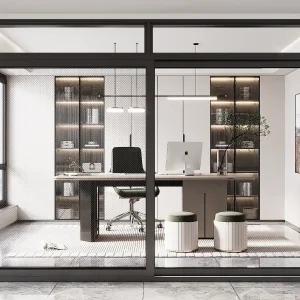
When selecting aluminum sliding doors, frame construction remains one of the most important factors. A strong frame ensures structural stability. This is particularly true for wide openings and heavy glass panels.
thermal break frames and energy control
Thermal break frames reduce heat transfer between indoor and outdoor environments. Without this feature, aluminum conducts heat too easily. The result is energy loss. A properly designed thermal break system improves insulation. It also reduces condensation risks.
Key points buyers should check:
- Thickness of aluminum profile
- Quality of thermal barrier material
- Resistance to deformation under heat
Double glazing is often paired with thermal break systems. This pairing further improves insulation performance.
At OUNA, we use engineered thermal break structures in our aluminum patio doors. These structures ensure stable performance in both hot and cold climates.
Glass selection and its impact on comfort
Glass is far more than just a transparent surface. It serves a key role in insulation, safety, and noise control. Many buyers fail to realize how much impact the right glass type can make. Glass performs several essential functions beyond letting light through. It helps maintain indoor temperatures through effective insulation. It also improves safety by resisting breakage under stress. In addition, it reduces unwanted sound transmission for quieter environments. Many buyers do not fully understand the significant difference that selecting the proper glass type can create in overall performance.
double glazing glass performance
Double glazing glass has become a standard choice for modern aluminum sliding doors. It helps reduce heat loss during winter and heat gain during summer. In addition, it improves acoustic comfort. This benefit is especially useful in urban environments.
Important factors to evaluate:
- Glass thickness combination
- Gas-filled insulation layer
- UV protection coating
- Safety laminated options
For patio applications, glass also determines visual clarity and daylight quality. Larger glass panels require stronger structural support. This requirement connects directly back to frame engineering.
Sliding system and hardware reliability
The sliding mechanism is the most frequently used part of aluminum sliding doors. If the system is weak, even a well-designed door will fail during daily use.
sliding door tracks importance
Sliding door tracks must support repeated movement without deformation. Poor-quality tracks may cause noise, uneven sliding, or jamming over time.
Key evaluation points:
- Track material hardness
- Bearing wheel quality
- Dust and water resistance
- Maintenance accessibility
door sealing system structure
Modern aluminum sliding doors use multi-layer sealing designs. These include rubber gaskets, brush seals, and compression systems. They work together to reduce air leakage.
What buyers should check:
- Number of sealing layers
- Water drainage design
- Wind pressure resistance
- Long-term elasticity of seals
Poor sealing leads to energy loss and water leakage. These problems appear especially during heavy rain. For this reason, professional systems are critical for coastal or high-rise buildings.
Hardware selection and long-term durability
Hardware plays a supporting yet essential role in aluminum patio doors. Handles, locks, rollers, and connectors must work together smoothly.
patio door hardware quality
High-quality hardware improves security and extends product lifespan. Multi-point locking systems are commonly used for better protection.
Key considerations:
- Corrosion resistance (especially in humid areas)
- Load-bearing capacity of rollers
- Locking stability
- Ease of replacement
Hardware failure is one of the most common issues in low-quality sliding systems. Buyers should therefore always review hardware specifications before ordering.
Design flexibility and customization options
One of the strongest advantages of aluminum sliding doors is customization. Different projects require different sizes, colors, and opening configurations.
These adaptations depend on project requirements.
Design flexibility includes:
- Frame color customization
- Glass configuration options
- Multiple track systems (2-track, 3-track, lift-slide)
- Large opening width support
Customization allows architects to achieve both functional and aesthetic goals without compromise.
Installation and maintenance factors
Even high-quality aluminum sliding doors require proper installation to perform correctly. Incorrect installation can lead to sealing failure or sliding issues.
Important installation checks:
- Level alignment of tracks
- Proper sealing compression
- Frame anchoring strength
- Drainage slope design
Conclusion
Aluminum sliding doors for patios serve as more than simple design elements. They stand as a valuable long-term choice in architecture. Buyers need to check the quality of frames, the way glass works, the strength of seals, the power of hardware, and how sliding parts move before they decide. Each part adds to total comfort, safety, and energy savings. Modern buildings require performance and good looks to support each other. A system that is planned well increases natural light. It strengthens the link between indoor and outdoor spaces. It also lowers energy use for a long period.
At OUNA, the team works to supply custom aluminum sliding solutions. These solutions satisfy both structural needs and visual goals in projects around the world. Selecting with care now helps secure steady performance for many years under actual conditions.
FAQs
Q: What is the typical size range of aluminum sliding doors?
A: Usually 1.8–6.0 meters width, depending on project design.
Q: Are aluminum sliding doors energy efficient?
A: Yes, especially with thermal break frames and double glazing glass.
Q: How long do sliding systems last?
A: High-quality systems typically last 20–30 years with basic maintenance.