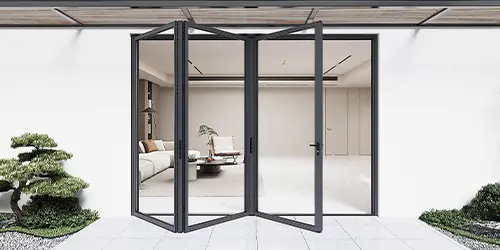
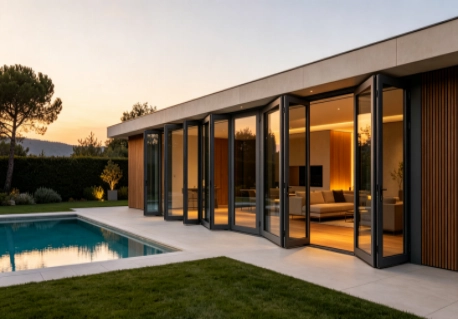
Homeowners now expect much more from their exterior doors than just a nice look. People desire wider openings. They want brighter rooms and smoother operation. Better energy efficiency is also highly requested. Additionally, a stronger link to outdoor areas is essential. Summers are getting hotter. At the same time, interest in cozy, adaptable homes is rising. Because of these trends, aluminium bifold doors have turned into a top choice for fresh builds and modern renovations alike.
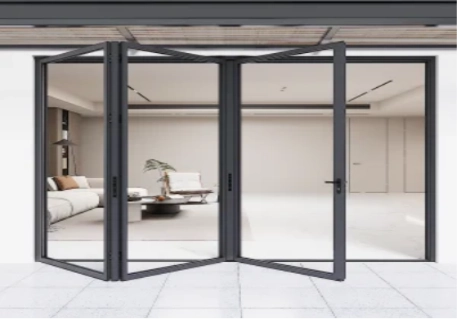
These specific doors feature multiple panels. The panels fold neatly together. Then, they slide toward one or both edges of a doorway. While shut, the doors block out harsh weather. They also keep out dust and street noise. Once opened, they form a massive walkway. This passage seamlessly links a living room, kitchen, patio, garden, balcony, or terrace.
This helpful guide outlines exactly what to think about before purchasing bifold doors. It covers frame materials and glass options. Panel layouts and thermal performance are also discussed. Finally, it looks at hardware, upkeep, and proper installation.
At OUNA, we carefully design and produce premium aluminum doors and window systems. We build these for both residential and commercial sites. Our extensive lineup features folding doors and sliding doors. We also offer entry doors, casement doors, and tailored aluminum window solutions.
Why Choose Aluminium Bifold Doors?
A simple bifold door can totally transform how a space functions. A kitchen can flow right into a backyard garden. A dining area can link directly to a breezy outdoor terrace. Furthermore, a living room can feel much brighter. It can appear far more spacious without altering the actual building structure.
The primary benefit is total flexibility. You can leave the panels tightly closed on cold or rainy days. Alternatively, you can open just a single panel for quick daily trips. You can also fold the whole system completely away when you need a massive entryway.
Creating a Better Indoor-Outdoor Connection
The concept of indoor-outdoor living keeps shaping modern home layouts. Countless homeowners wish for their yard areas to merge into everyday routines. They no longer want these spots to act as forgotten spaces outside the main house.
When aluminium bifold doors are completely pushed open, the line separating the inside from the outside fades away. This effect produces a wonderfully open vibe. It also makes walking between the house and the garden or patio incredibly easy.
Bifold doors prove remarkably handy for:
- garden-facing living rooms
- open-plan kitchens
- dining areas
- balconies and terraces
- poolside spaces
- sunrooms
- restaurants and commercial spaces
While shut, the large glass panels still let plenty of natural sunlight inside. They also preserve beautiful outdoor views. When pushed open, they clear a huge path for guests, large furniture, and cool fresh air.
A Practical Solution for Large Openings
Standard hinged doors generally offer only one narrow entry spot. Sliding doors can present a wide glass view. However, one panel usually stays firmly fixed in place. Bifold doors, on the other hand, can fold multiple panels off to the side. This action makes a much larger portion of the doorway fully usable.
Even so, you must evaluate the opening size and the nearby space very carefully. A massive bifold system might require extra structural framing. It may also need heavy-duty hardware and a smart panel setup. The right design must perfectly balance visual appeal, smooth movement, absolute safety, and durable long-term performance.
Frame Material and Thermal Performance
The sturdy frame holds the heavy glass. It also houses the moving hardware. Additionally, it helps the door withstand harsh wind, heavy rain, and constant daily use. Because of this vital role, buyers must look well beyond just paint color and basic profile looks.
Aluminum is extremely popular for current exterior doors. This is because the metal is incredibly tough and highly stable. It is also perfect for creating very slim profiles. Aluminum can easily hold massive glass panels. It does this without looking bulky or overly heavy. When treated with the right surface finish, aluminum effectively fights off intense sunlight, high humidity, and harsh outdoor elements.
Why a Thermal Break Matters
A thermal break acts as a special insulating shield. It sits right between the interior and exterior halves of an aluminum profile. Its main job is to cut down the direct transfer of heat right through the solid frame.
This particular feature is highly critical. Exterior doors make up a huge chunk of a home’s outer shell. Without proper thermal separation, blazing outdoor heat can easily push indoors during the summer. Likewise, expensive indoor warmth can quickly leak out during freezing winter months.
A properly engineered thermal break can effectively support:
- more stable indoor temperatures
- improved comfort near the door
- lower heat transfer through the frame
- reduced condensation risk
- better overall energy performance
The thermal break cannot do the job entirely on its own. It must function perfectly alongside the glass units, edge spacers, weather seals, metal hardware, and precise installation. Homeowners should always read up on basic window and door technology information before they start comparing different brands and systems.
Glass Is a Key Part of the Design
Glass makes up a massive portion of most bifold doors. The glass type directly impacts thermal control and noise reduction. It also determines the amount of daylight, physical safety, and visual privacy.
Common choices include:
- double insulating glass
- tempered glass
- laminated glass
- low-emissivity glass
- tinted glass
- decorative glass
- triple glazing for demanding climates
Insulated glass uses two or more panes separated by a sealed air space. This structure helps slow heat transfer and can improve sound insulation. Tempered glass provides greater strength and safer breakage behavior. Laminated glass can help hold broken pieces together after impact.
The right glass depends on the climate, sun exposure, noise level, local requirements, and the homeowner’s priorities.
Choosing the Right Panel Layout
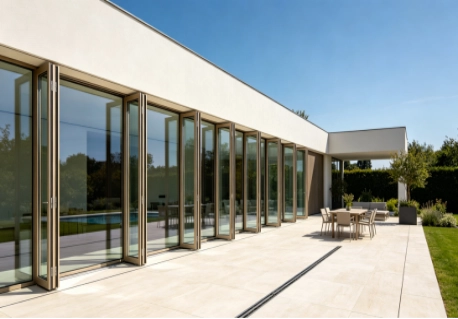
The number of panels affects the appearance, weight, movement, and price of the door. A two-panel system may work well for a smaller opening. A large villa or commercial project may require several panels folding in one or both directions.
This decision should be made before production drawings are approved. A panel layout that looks attractive may not function well if it blocks furniture, reduces the passage width, or places too much weight on one section.
Before choosing the layout, consider the opening width, furniture arrangement, traffic flow, outdoor clearance, and preferred access direction.
One-Side Folding or Center Opening?
Panels can fold toward one side or split from the center and move in both directions.
One-side folding creates a simple arrangement and may work well when there is more clearance on one side of the opening. A center-opening design creates a balanced appearance and may be suitable for formal entrances or symmetrical rooms.
The best option depends on:
- the width of the opening
- the location of furniture
- indoor walking paths
- outdoor clearance
- screen and curtain placement
- wind direction
- the preferred daily access panel
OUNA’s 75 Series, 85 Series, and 90 Series folding doors offer different panel configurations for various project requirements. Some designs support sash heights up to 3500mm, depending on the selected specification and installation conditions.
Check the Opening Direction
Bifold panels may fold inward or outward. Inward folding uses interior space, so sofas, tables, and kitchen counters must be positioned carefully. Outward folding requires enough room on the patio, terrace, or balcony.
Before making a decision, check whether the open panels may interfere with:
- furniture
- steps
- raised thresholds
- outdoor plants
- railings
- walkways
- curtains
- insect screens
A carefully planned opening direction makes the door more convenient and safer to use.
Hardware, Tracks, and Security
A bifold door is a complete system. Hinges, rollers, handles, locks, guide components, and tracks all influence how the panels move and how securely they close.
Why Hardware Capacity Matters
Large glass panels can be heavy. Rollers and tracks must support the combined weight of the frame, glass, sash, and hardware. Hinges must keep the panels aligned. Locks must pull the door tightly against the weather seals.
Before buying, ask for information about:
- maximum panel width
- maximum panel height
- glass weight
- hardware load capacity
- roller design
- hinge structure
- locking points
- threshold options
- drainage design
OUNA folding door systems can include upper and lower pulleys, hinges, handles, lock cores, hidden handles, automatic latches, and position blocks, depending on the selected series.
Security and Weather Sealing
A secure exterior door should close firmly and remain stable during daily use. Strong hinges, reliable seals, a stable frame, and suitable locking points all contribute to the result.
Weather sealing is equally important. Good seals can help reduce drafts, rain entry, dust, and outside noise. In areas with heavy rain or strong winds, the threshold and drainage design should receive special attention.
Installation Affects Final Performance
Even a well-designed door can perform poorly if the opening is not prepared correctly. The frame must be square, level, and securely fixed. The surrounding wall must be strong enough to support the system, and the installation gap must be sealed properly.
Before ordering, confirm:
- final opening measurements
- wall construction
- sill and threshold height
- drainage route
- frame fixing method
- installation tolerance
- delivery access
- panel protection during construction
At OUNA, we support custom design and manufacturing for different project requirements. Our company information explains how we work with residential and commercial clients on design, production, and supply.
Maintenance for Long-Term Use
Aluminum doors are generally easy to maintain, but regular care still matters. Dirt, sand, leaves, and small stones can collect in the lower track. If they remain there, the panels may become harder to move and the rollers may wear more quickly.
A simple maintenance routine includes:
- cleaning tracks with a soft brush or vacuum
- wiping frames with mild soap and water
- checking seals for cracks or damage
- keeping drainage holes clear
- inspecting rollers and hinges
- testing handles and locks
- avoiding harsh chemicals on coated surfaces
In coastal areas, maintenance may need to be more frequent because salt deposits can build up on the frame and hardware.
OUNA’s folding door systems are designed with details such as smooth sliding rails, durable pulleys, hidden hinges, and customizable hardware. Regular cleaning helps these components continue to work properly.
How to Compare Suppliers Before Buying
Price is important, but it should not be the only factor. A low quotation may use thinner profiles, simpler hardware, weaker glass, limited drawings, or less installation support.
When comparing suppliers, ask for clear details about:
- frame thickness
- profile structure
- glass composition
- thermal break design
- maximum panel dimensions
- hardware specifications
- air and water performance
- wind pressure resistance
- surface finish
- warranty terms
- packaging and shipping
- installation support
You can explore the full OUNA product range to compare different aluminum doors and window systems. A reliable supplier should explain how the selected materials and hardware suit your climate, opening size, building structure, and daily use.
Conclusion
Aluminium bifold doors can transform how a house looks. They also improve how the space works daily. These doors build much larger openings. This setup strongly supports an indoor-outdoor lifestyle. Furthermore, they pull in extra natural light. As a result, indoor rooms easily link up with outside areas like gardens, patios, balconies, and terraces.
Top-tier systems mix sturdy aluminum profiles with a proper thermal break. They also feature dependable hardware and excellent insulated glass. Good weather sealing matters just as much. Finally, precise installation is an absolute must. Before making a purchase, you should check the panel layout. Also, consider the folding direction and the bottom threshold. Do not forget to look at water drainage, glass types, and basic upkeep needs.
Here at OUNA, we supply custom aluminum doors. We build these for both residential homes and commercial buildings. These specific projects often demand a beautiful design. They also require trustworthy performance over many years. With the correct specifications, bifold doors act as much more than just a nice visual detail. They actually turn into a highly useful part of daily life.
FAQs
Q: Are aluminium bifold doors suitable for large openings?
A: Yes. Their multi-panel structure works well for wide openings with suitable frame and hardware design.
Q: Do aluminium bifold doors improve energy efficiency?
A: They can, especially with a thermal break, insulated glass, and effective weather sealing.
Q: How often should bifold door tracks be cleaned?
A: Clean the tracks once a month, or more often in dusty and coastal areas.