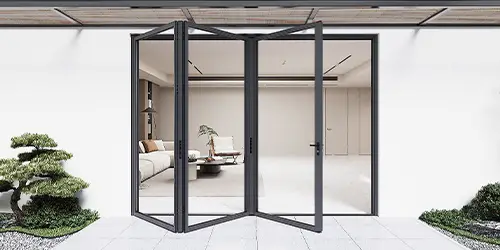
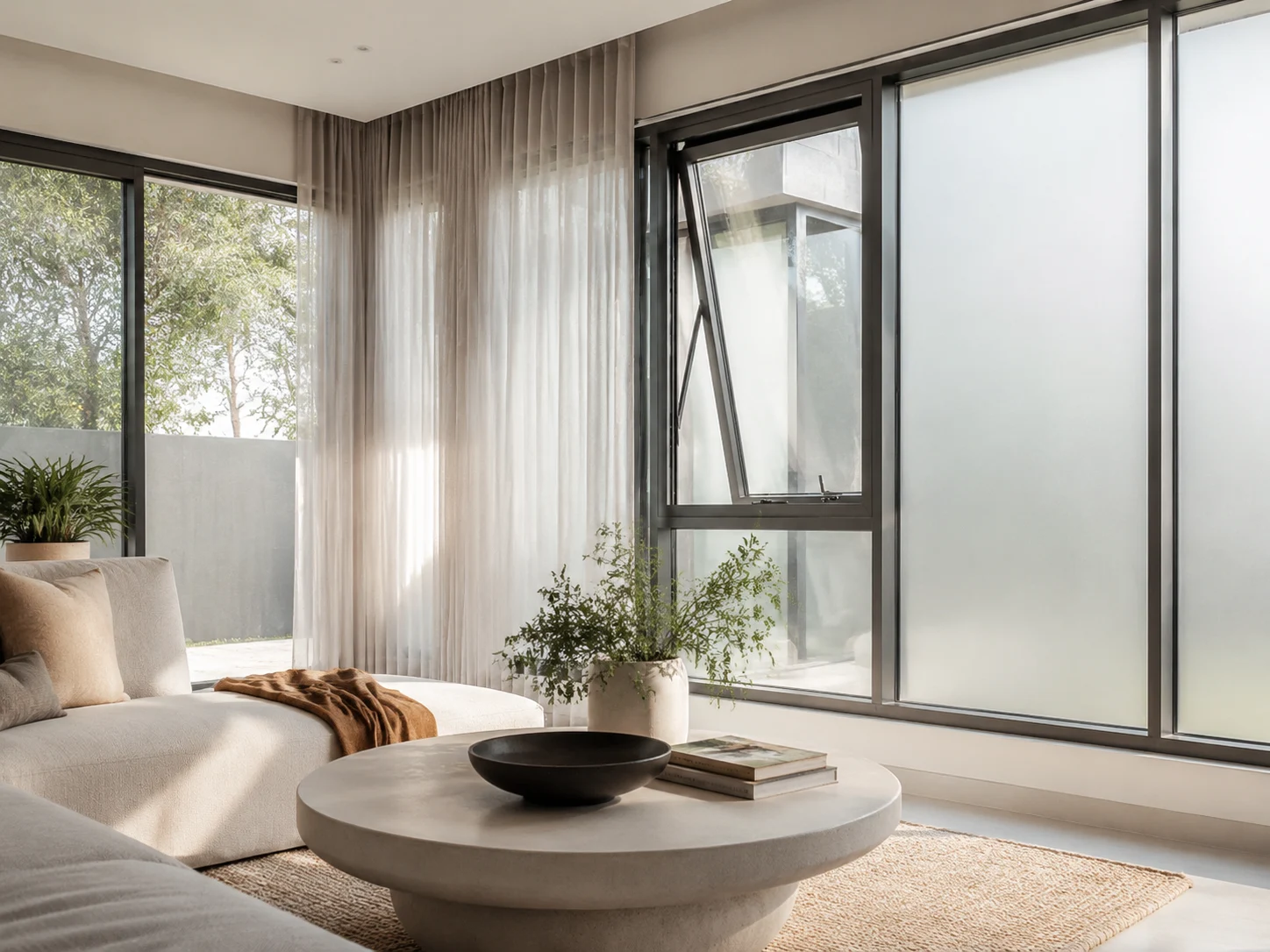
When you step into a well-lit room that feels fresh yet private, it’s easy to overlook how much of that comfort comes from the windows. The right design doesn’t just frame a view. It shapes the atmosphere. It also helps control temperature and affects your mood. Picking the best windows for natural light, ventilation, and privacy means balancing looks with how well they work. You need to see how each style adds to indoor comfort.
How Windows Enhance Natural Light
Glass tech has moved past plain clear panes. Double or triple glass with special coatings lets in plenty of light while cutting heat. For example:
| Glazing Type | Visible Light Transmission | Solar Heat Gain Coefficient | Ideal Use |
| Clear Float Glass | 90% | 0.85 | Areas needing full daylight |
| Low-E Double Glazing | 75% | 0.60 | Living rooms or offices |
| Reflective Coating Glass | 55% | 0.40 | Facades facing strong sun |
Balancing Ventilation and Privacy Through Smart Design
A home with good airflow feels fresh. Air moves easily and takes away dampness and smells. Cross-ventilation works best when windows sit on opposite walls. Breezes can then move straight through. Casement windows that tilt toward the usual wind help this happen naturally.
Window Styles That Optimize Natural Light
Different window types meet different lighting needs based on the room and layout.
Fixed Windows for Expansive Views
Fixed windows suit spots where you want lots of light but no need for airflow. Think stairwells or living rooms with nice views. Their wide glass surfaces link inside and outside smoothly and make rooms feel bigger.
Energy-saving glass cuts heat movement through these large panes. This lowers cooling needs in summer. OUNA’s aluminum fixed picture windows show this well. They have clean lines and thermally broken frames that keep light clear and rooms well insulated.
Sliding Windows for Balanced Light and Functionality
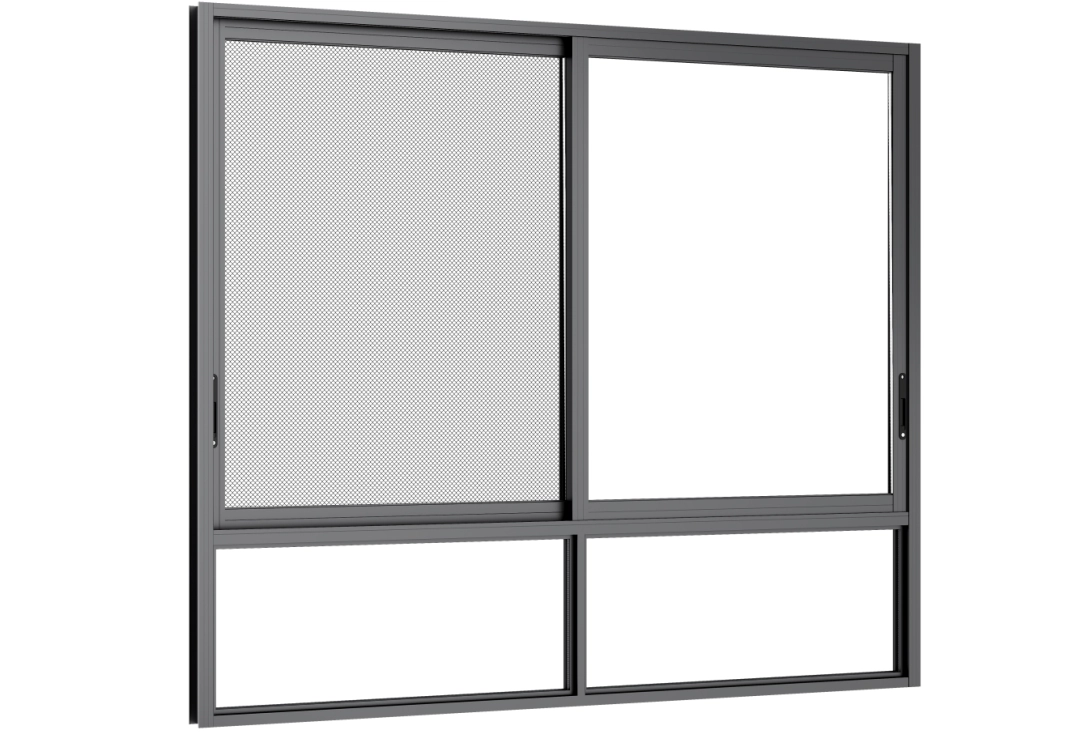
Sliding windows give wide glass areas and stay easy to use. The panels slide sideways so you get steady daylight and still control how much air comes in. They fit modern homes that like simple shapes.
When paired with aluminum frames, sliding windows stay strong without looking heavy. Aluminum holds big panels with thin frames. This helps light reach farther into the room.
Bay and Bow Windows for Architectural Depth
Bay or bow windows stick out from the wall. They catch sun from several angles during the day. They add shape to the outside of the house and create small cozy spots inside for sitting or reading.
Window Styles Designed for Effective Ventilation
Some windows focus more on moving air. This keeps rooms fresh all year.
Casement Windows for Controlled Airflow
Casement windows swing out fully on side hinges. They direct air into certain parts of the room. When shut they seal tightly and save energy better than sliding types. They work well in kitchens or bathrooms where moisture changes often.
Because they open all the way, casements let you clear out stale air fast after cooking or cleaning. Many people like this in humid weather.
Awning Windows for All-weather Ventilation
Awning windows hinge at the top. They can stay open in rain without letting water inside. This helps in wet or coastal places. They often sit under fixed glass so you still get light and air together.
When placed high on walls or above eye level, awning windows keep privacy while letting air move. They suit bedrooms that face nearby houses.
Window Options That Enhance Privacy Without Sacrificing Light or Airflow
Privacy does not have to mean dark or stuffy rooms. Smart material choices keep spaces bright yet private.
Smart Glass and Frosted Finishes for Discreet Illumination
Switchable smart glass changes from clear to cloudy with a button press. It gives quick privacy without needing blinds or curtains. Frosted glass spreads incoming light softly so rooms stay bright but stay hidden from outside eyes. These options fit easily into modern aluminum window systems like those from OUNA. They combine useful features with clean looks.
Architectural Placement and Orientation Techniques
Where you place windows matters as much as the glass itself:
- High clerestory strips bring light deep into rooms while staying above normal sight lines.
- Angled wall recesses cut direct views but still leave the sky open.
These ideas help in crowded neighborhoods where keeping private spaces apart is hard but needed.
Material Considerations in Modern Window Design
The frame material affects both looks and how long the windows last in tough weather.
Advantages of Aluminum Frames in Contemporary Architecture
Aluminum stands out because it is strong yet light. It holds large glass areas without bending over time. It also resists rust, even near the sea where damp air damages other metals fast.
Aluminum works well with double-glazed units too. It improves insulation against noise and temperature swings. This matters when you want energy-saving buildings that still feel open.
Combining Aesthetics with Energy Efficiency through Material Selection
Modern aluminum frames include thermal breaks. These non-conductive layers separate the inside and outside metal. They cut heat transfer a lot. This saves energy while keeping the slim lines architects like.
Color choices range from anodized looks to matte powder coats that match any outside finish. Texture options let you pick between sharp industrial style or softer warmth.
Integrating Functionality, Style, and Performance in Window Selection
Windows affect daily comfort and long-term home value when chosen with the whole house in mind.
Customization Options Based on Space Requirements
Each room needs its own setup. Bedrooms may need better sound blocking. Living areas may want wide glass views. Kitchens need vents that handle moisture. Adjusting size, opening style, and finish makes sure the windows match how you live.
Numbers like U-value and SHGC help measure how well windows insulate and control heat. Pros use these to match systems to local weather and house direction.
Coordinating Window Systems with Overall Building Design
Windows should match the building shape. Even spacing between window sections and walls keeps the outside looking balanced. Adding shade like louvers or outside blinds next to opening parts improves heat control without breaking the design line.
At OUNA, architects work with clients on these details. They match frame colors to outside walls and plan airflow paths across whole floor plans. The goal is windows that work well and look good from every angle.
FAQs
Q1: What are the best windows for natural light?
Picture windows and bay setups let in the most daylight because of their big unbroken glass areas.
Q2: Which window type provides good ventilation?
Casement windows give controlled airflow since they open fully outward toward the usual breeze.
Q3: How can I maintain privacy without losing brightness?
Frosted glass or smart switchable glazing spreads light while blocking outside views.
Q4: Are aluminum windows energy-efficient?
Yes. Modern aluminum frames have thermal breaks that cut heat transfer compared with older metal frames.
Q5: What factors should guide my window selection?
Look at direction, local weather, how much air you want, style you like, and efficiency numbers like U-value before you decide.